


Chalazion
A chalazion is an inflammation caused by the blockage of an oil gland in the eyelid. It can cause discomfort and swelling, and may even affect vision if it grows larger.
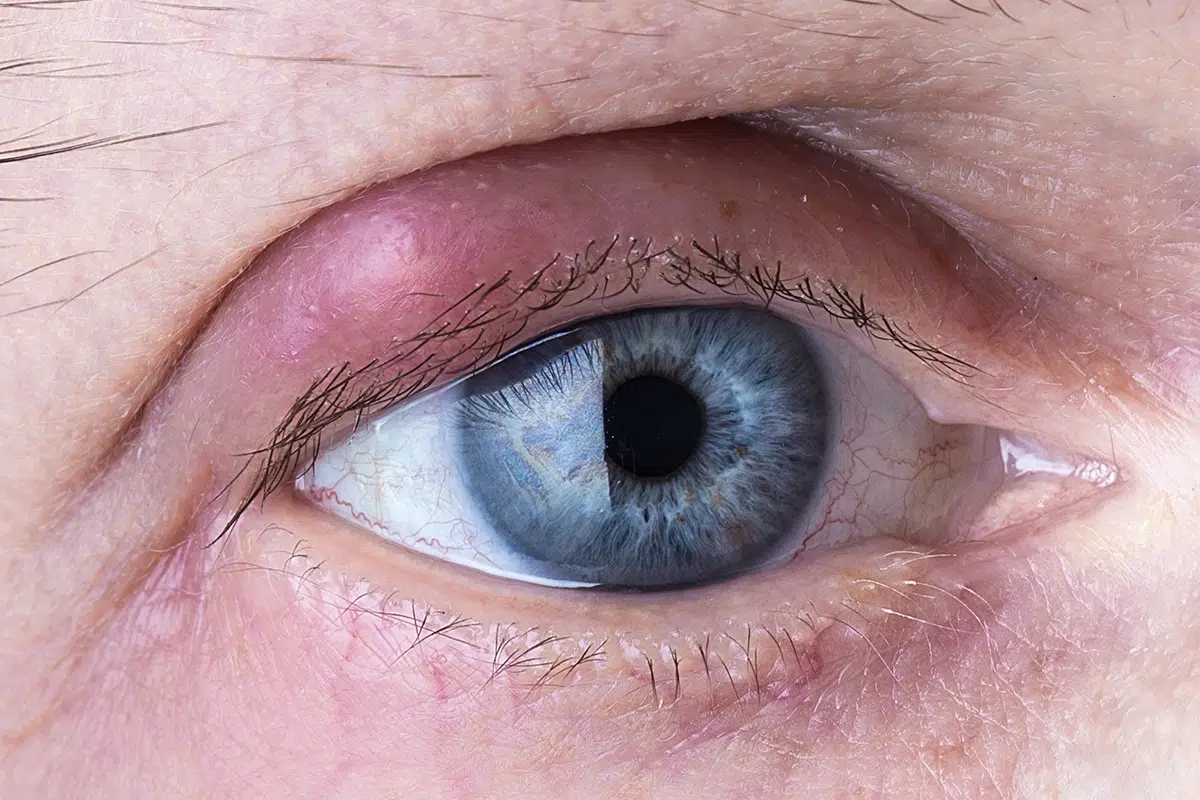
It is an inflammation, not an infection.
Unlike a stye, it is not usually painful.
Surgery is quick, safe and leaves no external scars.


What is a Chalazion?
A benign eyelid cyst caused by the blockage of an oil gland.
A chalazion forms when a meibomian gland, which helps lubricate the eye, becomes blocked and oil builds up inside it. This leads to a painless lump on the eyelid that can gradually grow.
Unlike a stye, which is an acute, painful infection, a chalazion is a chronic inflammation without active infection.
How to identify this lump on the eyelid
✅ A small lump or cyst on the eyelid.
✅ It may grow slowly and become visible.
✅ A feeling of heaviness or discomfort in the eye.
✅ Occasionally, mild redness or swelling.
✅ Large ones can affect vision by pressing on the eye.
If the chalazion does not go away within a few weeks or keeps growing, it may need specialist treatment.
Factors that make it more likely
🔹 Meibomian gland dysfunction: Problems with oil production in the eyelid.
🔹 Chronic blepharitis: Persistent inflammation of the eyelid margin.
🔹 Oily skin or skin conditions: Such as rosacea or seborrhoeic dermatitis.
🔹 Environmental factors: Dust, allergies or changes in the weather can make the blockage worse.
An eye examination to determine the best treatment
At Clínica Ramírez & Gálvez, we carry out a detailed examination of the eyelid to:
🔹 Confirm that it is a chalazion and not a stye.
🔹 Assess its size and any effect on vision.
🔹 Determine whether there is blepharitis or other associated factors.
🔹 Assess whether surgical drainage is needed.
When is chalazion surgery recommended?
- When the chalazion is large and persistent.
- If it interferes with vision or causes constant discomfort.
- In recurrent cases that do not respond to other treatments.
At our clinic we offer an innovative and effective treatment, Intense Pulsed Light (IPL), to treat chalazion and prevent it from coming back, especially in patients with meibomian gland dysfunction.
How does IPL work in treating chalazion?
Intense Pulsed Light emits high-intensity pulses that:
- Warm and liquefy the oil built up in the meibomian glands, helping it drain naturally.
- Reduce chalazion inflammation by improving blood circulation in the area.
- Stimulate gland function, preventing new chalazia from forming.
Advantages of IPL over surgery in treating chalazion.
- Non-invasive. No incisions or anaesthesia needed.
- No scarring. It leaves no marks and does not alter the structure of the eyelid.
- Less pain and discomfort. A quick, well-tolerated procedure.
- Preventive treatment: it stops new chalazia from forming by improving gland function.
- Immediate recovery, with no need for rest or post-operative care.
- Ideal for recurrent chalazia.
In many cases, IPL is an effective, modern alternative for treating chalazion without the need for surgery.
Our Clinic
Unique spaces designed with one philosophy: excellence in caring for your eyes.




Detailed Diagnosis
A trusted environment where we listen to you, carry out a detailed diagnosis and design a personalised treatment plan together.




Commitment to Excellence
A team of professionals led by Drs. Ramírez and Gálvez with a dual commitment: medical excellence and close, human care.


Cutting-Edge Technology
Equipped with the latest technology to ensure diagnoses of maximum precision and to plan every treatment with complete safety.
Answers to your questions
We answer the most common questions about chalazion. Find all the information you need here to make your decision with complete confidence.
Does a chalazion go away on its own?
Some chalazia can clear up without surgery, but if one lasts more than a month, it is advisable to see an ophthalmologist.
Does chalazion surgery leave a scar?
No, drainage is performed from the inside of the eyelid, leaving no external marks.
Is a chalazion contagious?
No, unlike a stye, a chalazion is not a bacterial infection.
Can a chalazion be prevented?
Yes, with good eyelid hygiene and by avoiding touching your eyes with your hands.
How long is recovery after surgery?
The swelling goes down within a few days and you can quickly return to your normal routine.