


Ophthalmology
Eye problems
We diagnose and treat eye diseases in children and adults, from a routine eye check to cataract surgery or refractive surgery. In Torre del Mar and Lucena, with a caring approach and up-to-date technology.
Children and adults
Torre del Mar and Lucena
Diagnosis and treatment
01 · Eye conditions
Vision problems
and prescription
From glasses and contact lenses to cataracts, glaucoma and children's eye health:
find your option.

Refractive errors
Myopia, hyperopia and astigmatism: causes and correction.
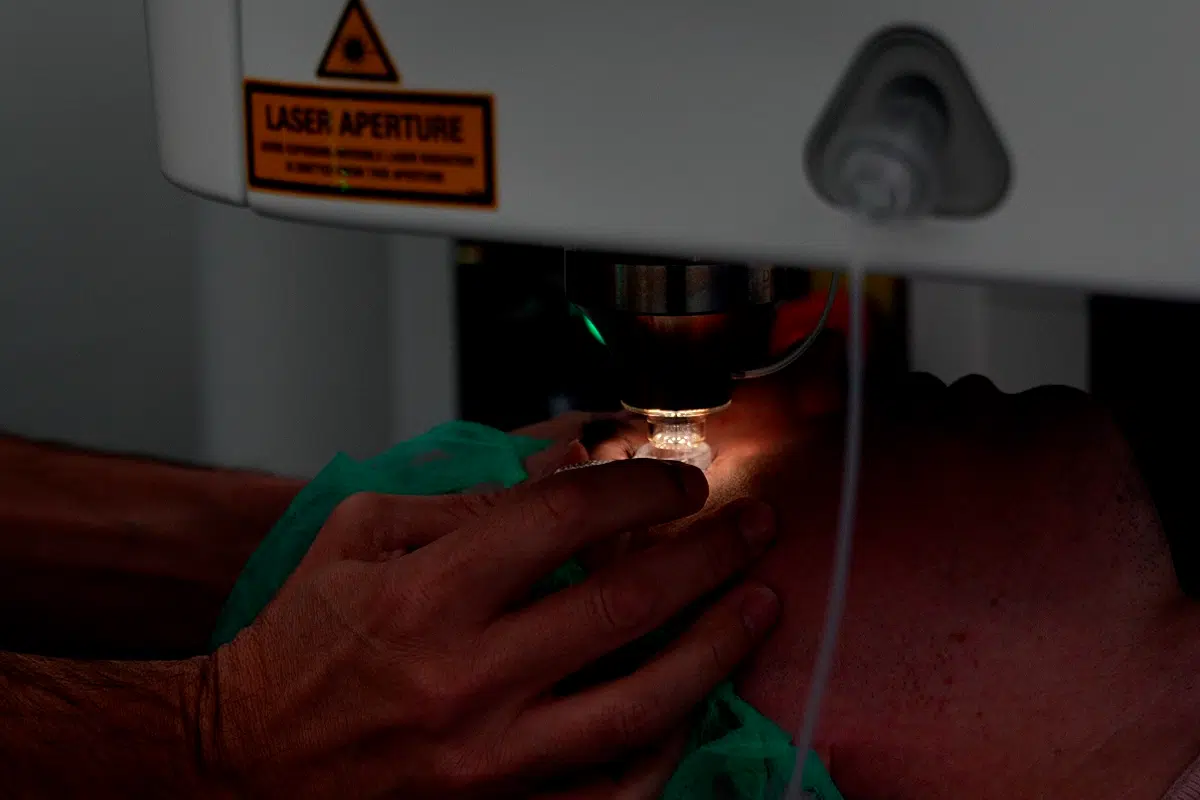
Refractive surgery
Less need for glasses and contact lenses.
Presbyopia
Difficulty seeing up close that appears from around age 40.
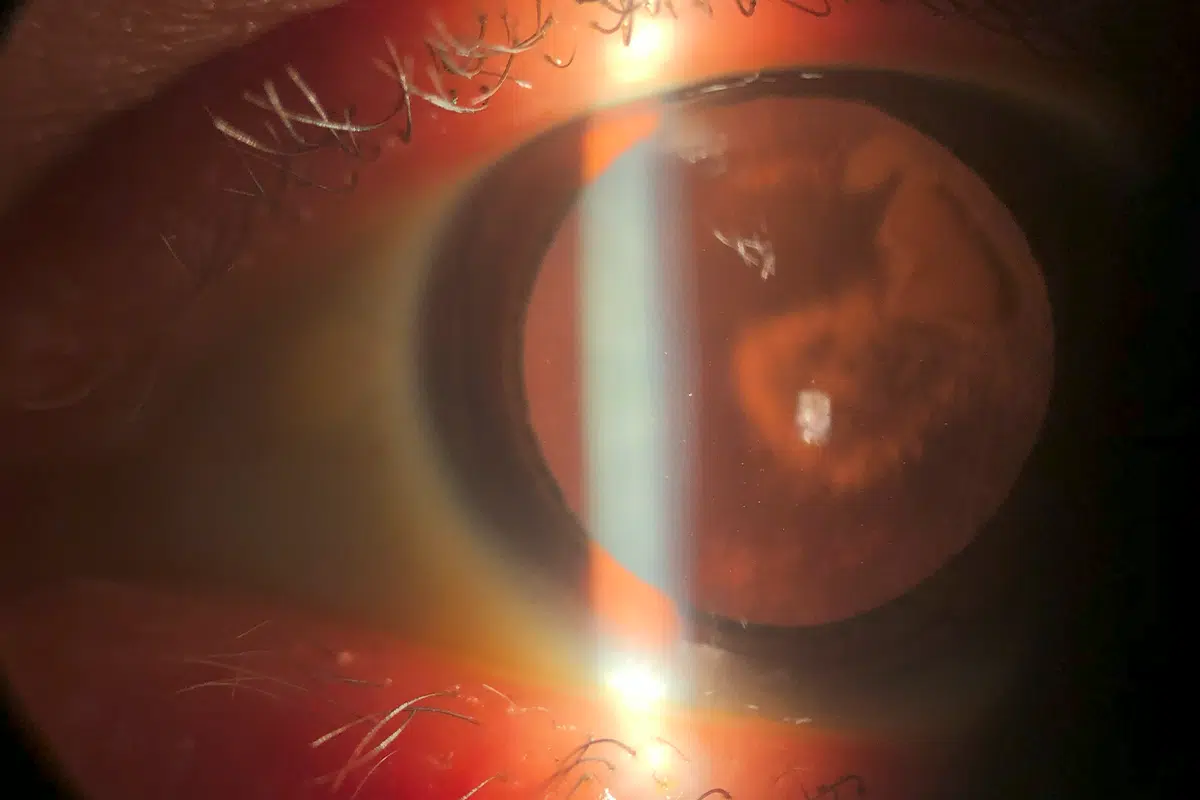
Cataracts
Clouding of the lens that blurs vision. Treated with surgery.
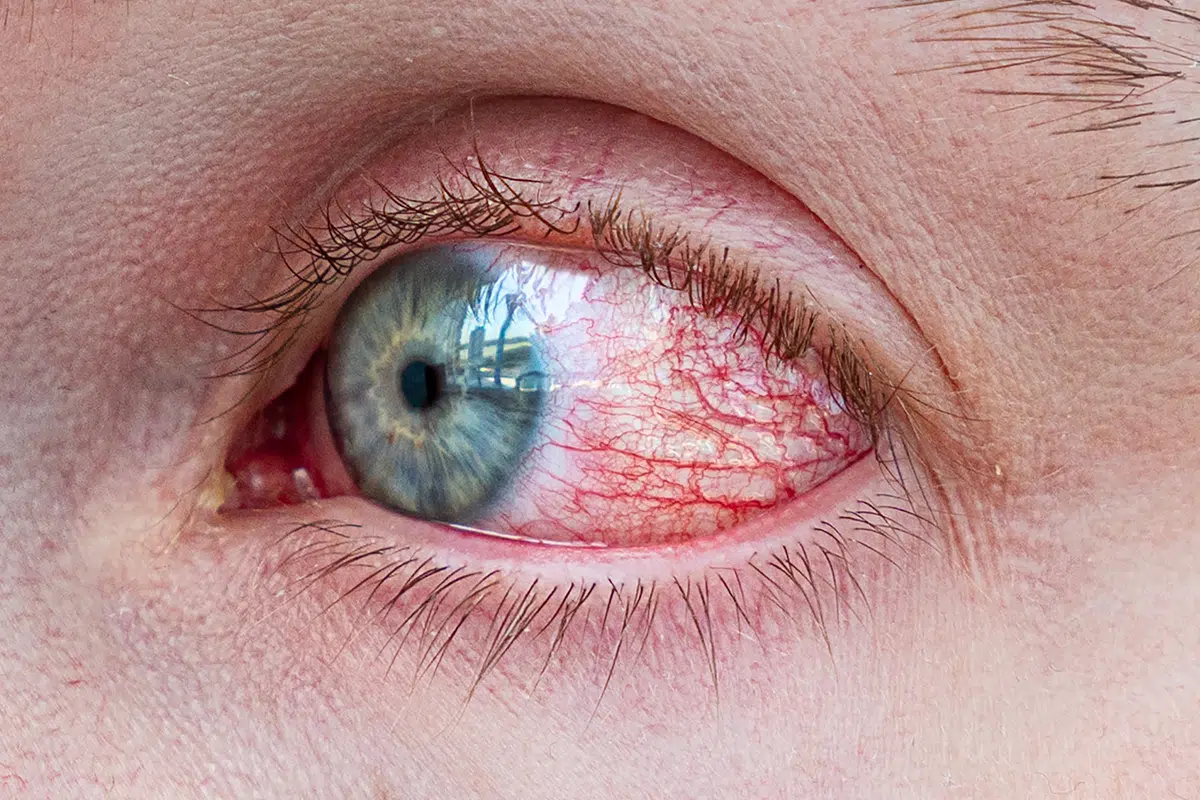
Glaucoma
Damages the optic nerve, often without symptoms.

Paediatric ophthalmology
Squint, lazy eye and refractive errors in children.
When to seek care
Signs you should
never ignore
Some symptoms need a quick assessment by an ophthalmologist. If you notice any of them, do not wait for your next check-up.
Sudden loss of vision
Suddenly seeing worse with one or both eyes.
Flashes and floaters
Flashing lights or the sudden appearance of many “floaters”.
A shadow or curtain
An area of your field of vision that darkens or disappears.
Severe eye pain
Especially if accompanied by redness or blurred vision.
Sudden double vision
Unexpectedly seeing double, with one or both eyes.
A blow or injury to the eye
Any eye trauma deserves an examination.
If you notice any of these signs, go to an emergency service as soon as possible or call us:
Torre del Mar · 671 02 64 69 Lucena · 677 22 82 9602 · Eye conditions
Retina and macula
The part of the eye that captures images and needs specific check-ups.

Age-related macular degeneration (AMD)
Affects central vision. Early monitoring matters.
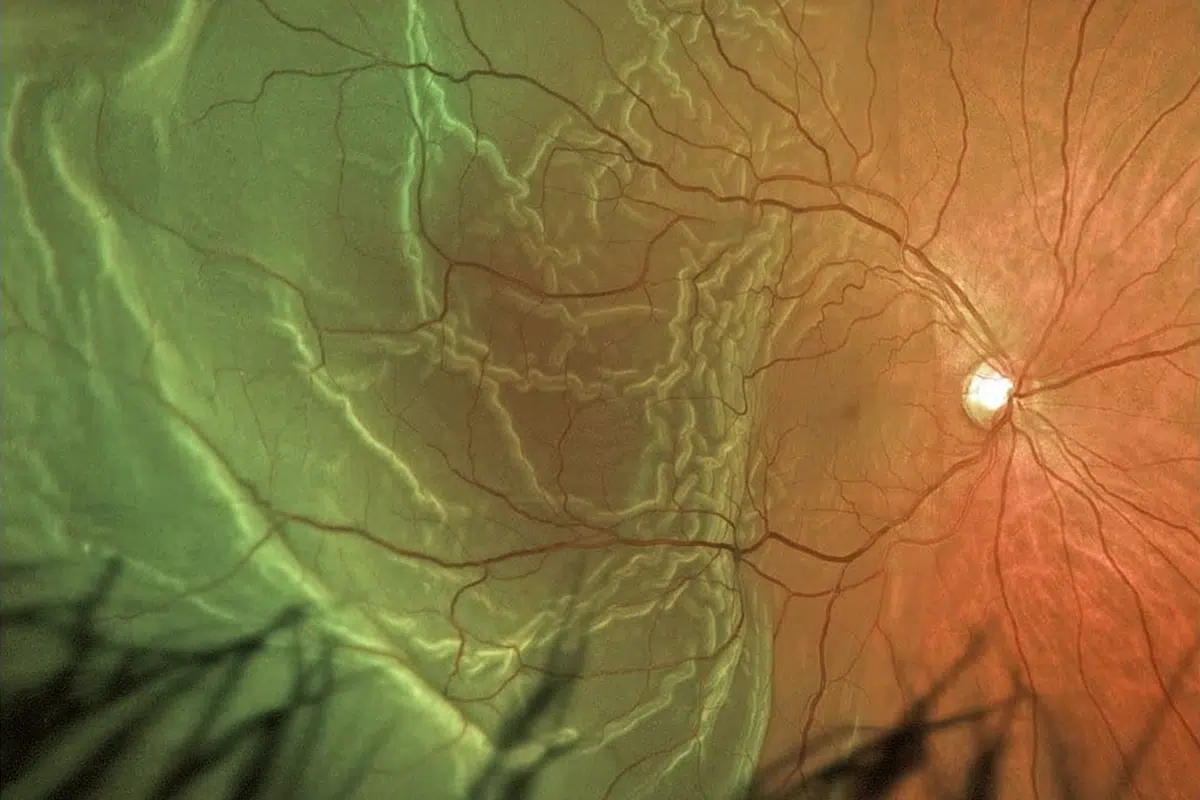
Retinal detachment
Eye emergency: the retina detaches and needs immediate care.
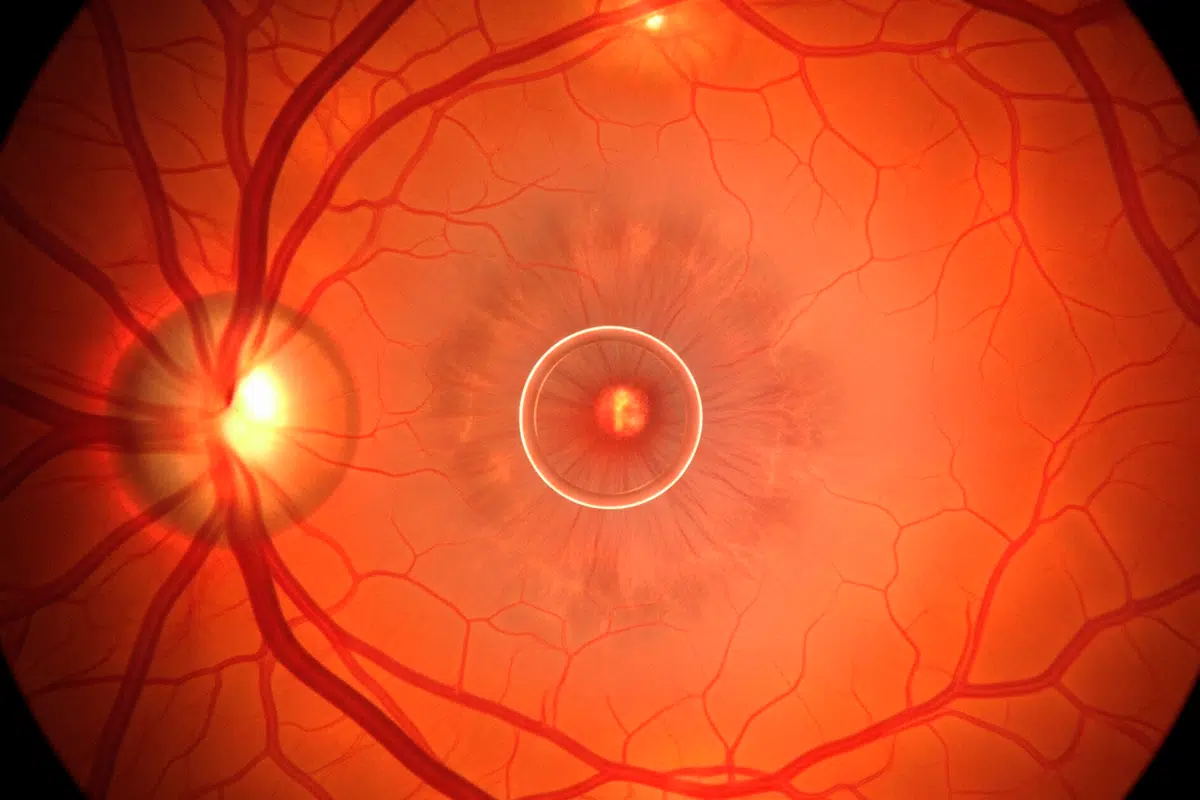
Vitreous detachment
Floaters and flashes when the vitreous separates.
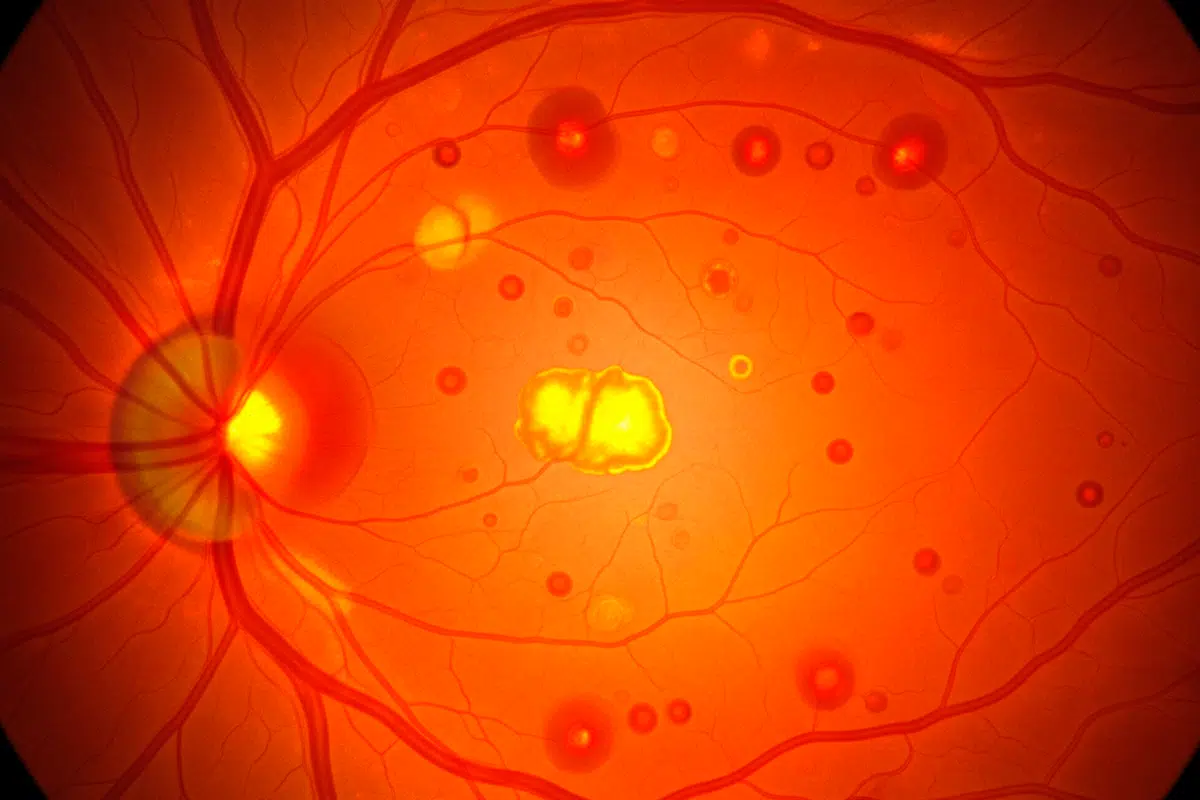
Diabetic retinopathy
Damage to retinal vessels caused by diabetes.
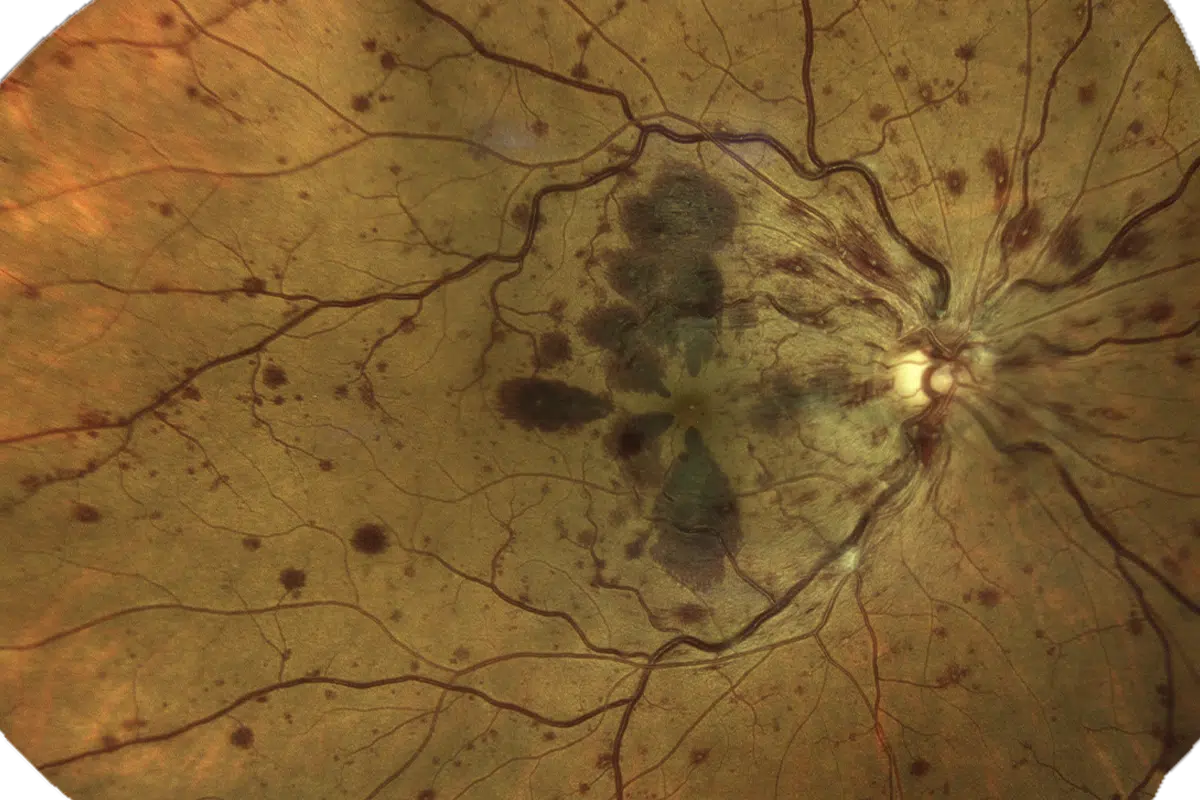
Retinal thrombosis
Blockage of a retinal vessel that can reduce vision.

High myopia
High short-sightedness that calls for regular retinal check-ups.
03 · Eye conditions
Ocular surface
and inflammation
Common everyday discomfort and inflammatory or infectious conditions.
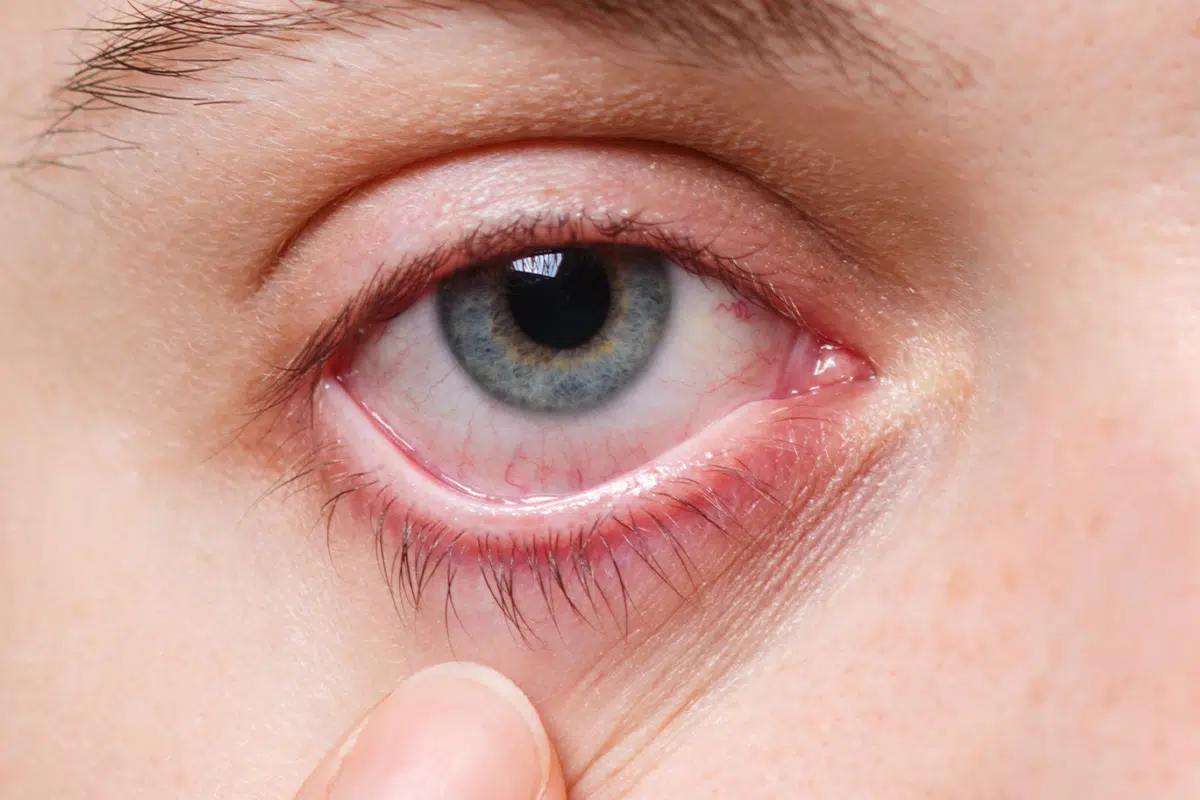
Dry eye syndrome
Itching, burning and a gritty feeling. It can be treated.
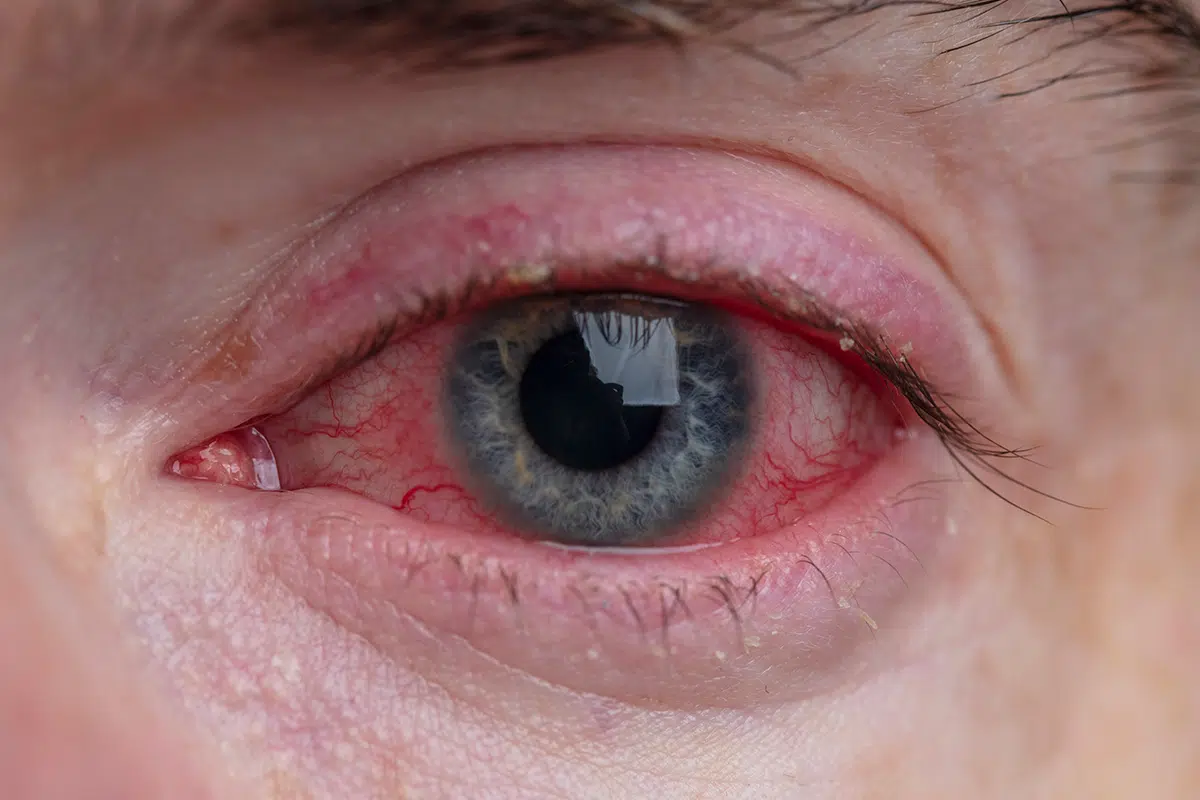
Blepharitis
Chronic inflammation of the eyelid margin that can be controlled.
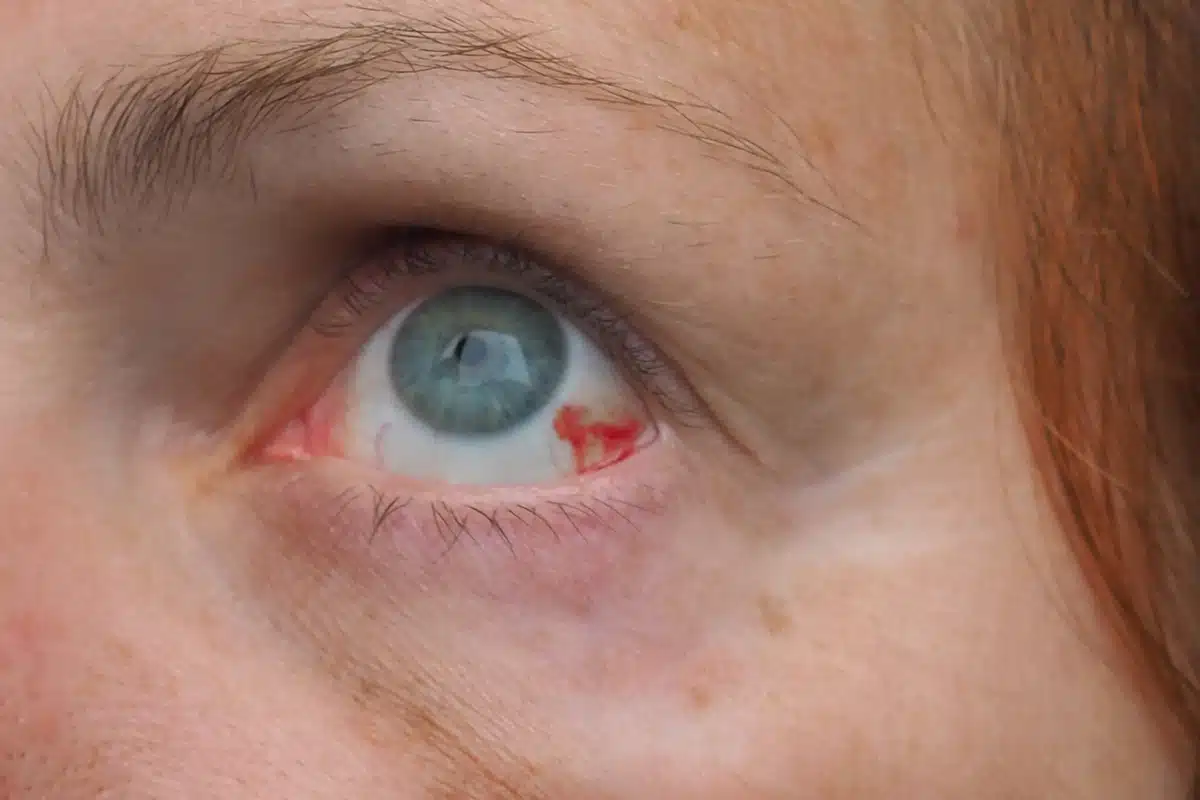
Conjunctivitis
Inflammation of the conjunctiva: viral, bacterial or allergic.
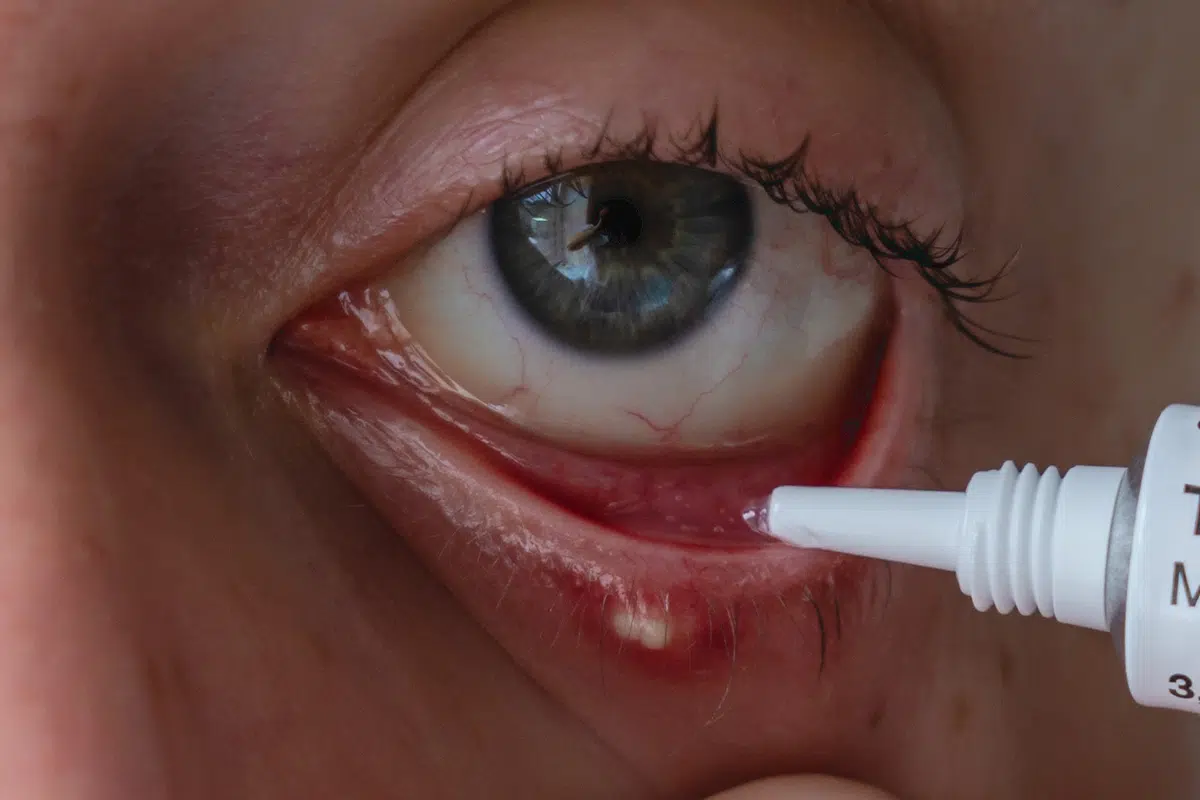
Ocular herpes
Viral infection that can affect the cornea.
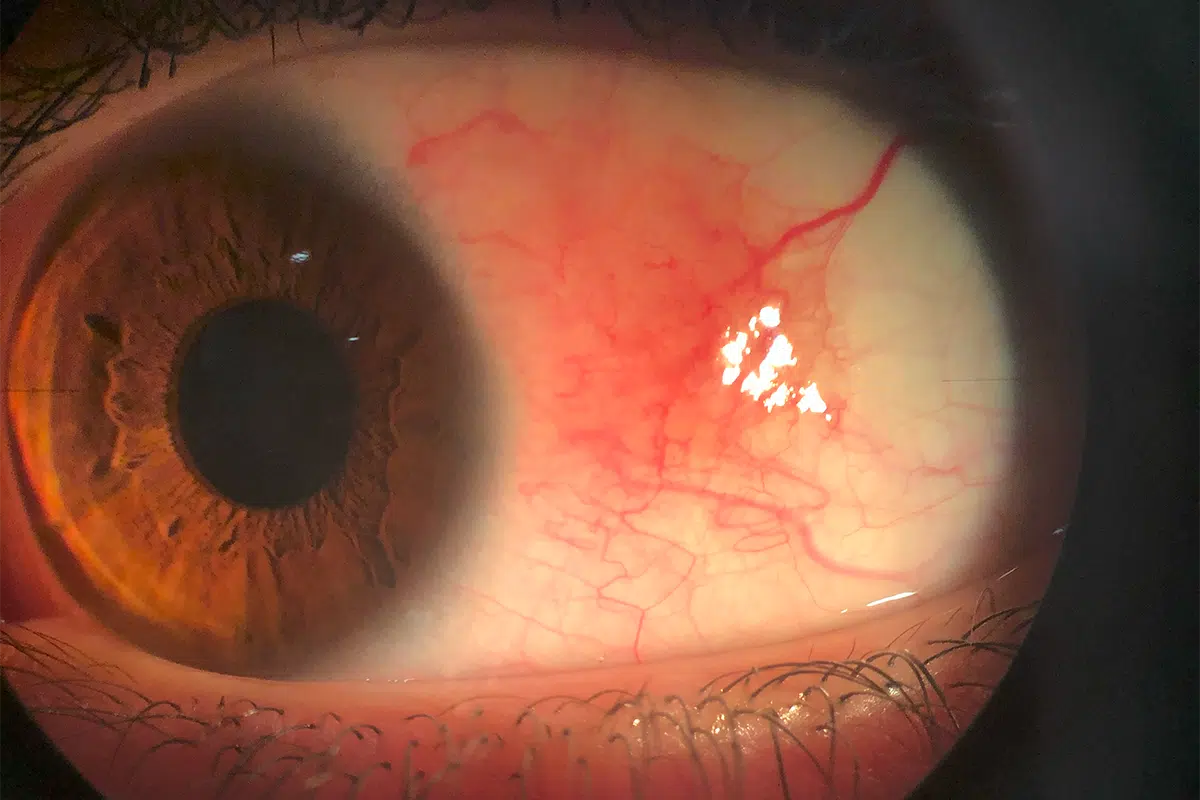
Pterygium and pinguecula
Growths on the conjunctiva caused by sun and wind.
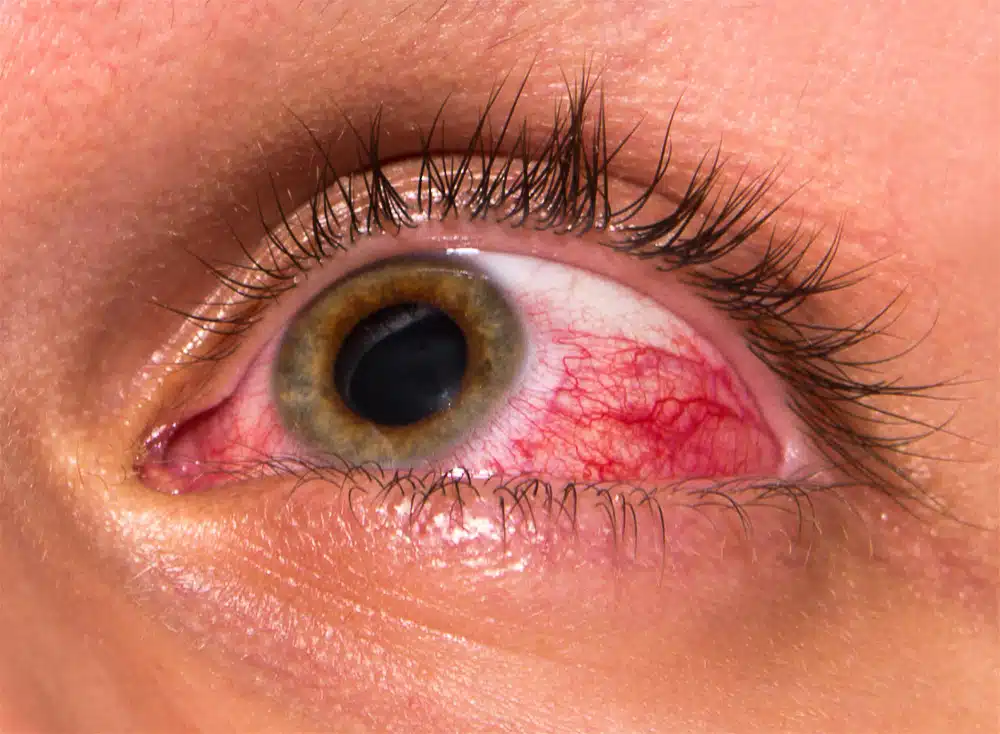
Uveitis
Inflammation of the middle layer of the eye that needs follow-up.
Your visit
What your appointment is like
A clear, unhurried process in which you understand what is happening and what your options are.
1
We listen to your case
We learn about your symptoms, your history and what worries you most.
2
Diagnostic tests
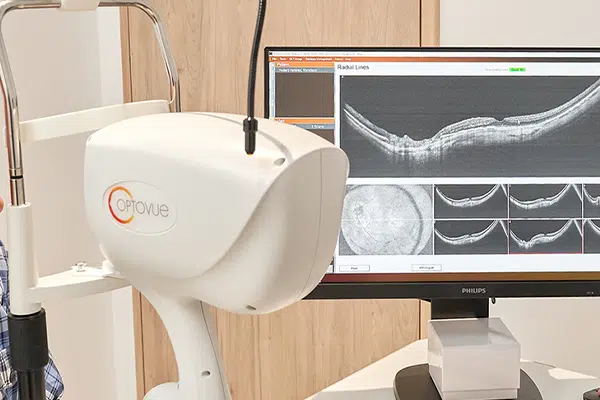
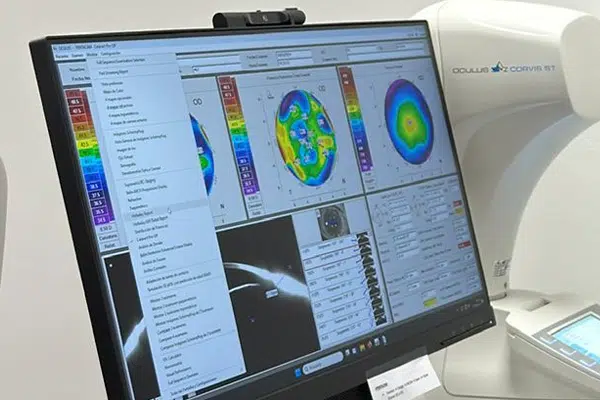
We examine your eye health with up-to-date technology, such as topography, OCT or corneal tomography, when indicated.
3
We explain and propose
We explain the diagnosis in plain words and discuss the options with you.
4
Follow-up
We review your progress and answer your questions throughout the process.

Medical team
Ophthalmologists
by your side
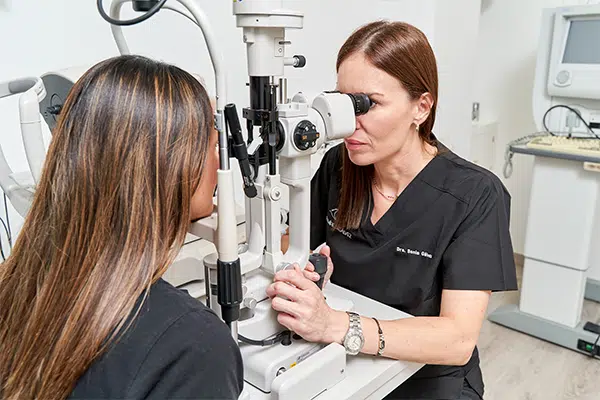
Dr Javier Ramírez López and Dr Sonia Gálvez Carvajal see children and adults in Torre del Mar and Lucena, with a caring approach and explaining every step.

Dr Javier Ramírez López
Ophthalmologist and eye surgeon
Dedicated to cataract surgery, refractive surgery and aesthetic surgery of the eye area.

Dr Sonia Gálvez Carvajal
Ophthalmologist and eye surgeon
Dedicated to cataract and presbyopia surgery, and to the care of the retina, glaucoma and diabetic eye disease.
Frequently asked questions
We answer
your questions
The questions we are asked most before a first visit. If you cannot find yours, write or call us and we will answer calmly.
Book your appointment
How often should I have my eyes checked?
It depends on your age, your history and whether you already have an eye problem. As a guide, regular check-ups are advisable at any age, with regular monitoring from the age of 40, because many conditions, such as glaucoma, cause no symptoms at first. If you have diabetes, high myopia or a family history, your ophthalmologist will set a closer schedule.
When should I seek urgent care?
If you notice a sudden loss of vision, flashes of light, a sudden shower of floaters or a curtain over your vision, severe pain, a red eye with reduced vision or a blow to the eye, do not wait: call us as soon as possible or go to emergency care. Some problems, such as retinal detachment, are best treated early.
What tests will I have at the first visit?
We start by talking with you and reviewing your history. Then, depending on your case, we measure visual acuity and prescription and eye pressure, and examine the surface and back of the eye. When indicated, we add tests such as topography, corneal tomography or OCT. We always explain what we see and what it means.
Will you dilate my pupils? Can I drive afterwards?
Sometimes the pupil needs to be dilated to examine the retina properly. After the drops, near vision and light sensitivity may be affected for a few hours, so we recommend coming with someone and bringing sunglasses. We will let you know beforehand if your check-up requires it.
Do you see children?
Yes. We offer paediatric ophthalmology: check-ups, squint, lazy eye and refractive errors, among others. The earlier a problem is detected in childhood, the better it can be corrected, and the examination is adapted to each child's age and temperament.
How can I book an appointment, and where are the clinics?
You can call us or message us on WhatsApp at either clinic, or leave your details in the contact form and we will call you. We are in Torre del Mar (Málaga) and Lucena (Córdoba); you will find the address and directions on our clinics page.
What should I bring to the appointment?
Bring your current glasses and contact lenses, any previous eye reports and tests, and a list of the medication you take. If you wear contact lenses, we will tell you whether you should leave them out on the day of the check-up. This lets us compare your progress and refine the diagnosis.
When is surgery necessary?
Many eye problems can be managed with glasses, contact lenses, drops or monitoring. Surgery is only considered when it is the best option for you: after an individual assessment we explain the alternatives, their advantages and limits, and decide together.
Can an eye problem cause no symptoms?
Yes. Conditions such as glaucoma or diabetic retinopathy can progress for years without discomfort and damage vision silently. That is why regular check-ups are the best way to detect them in time, when treatment is most effective.