



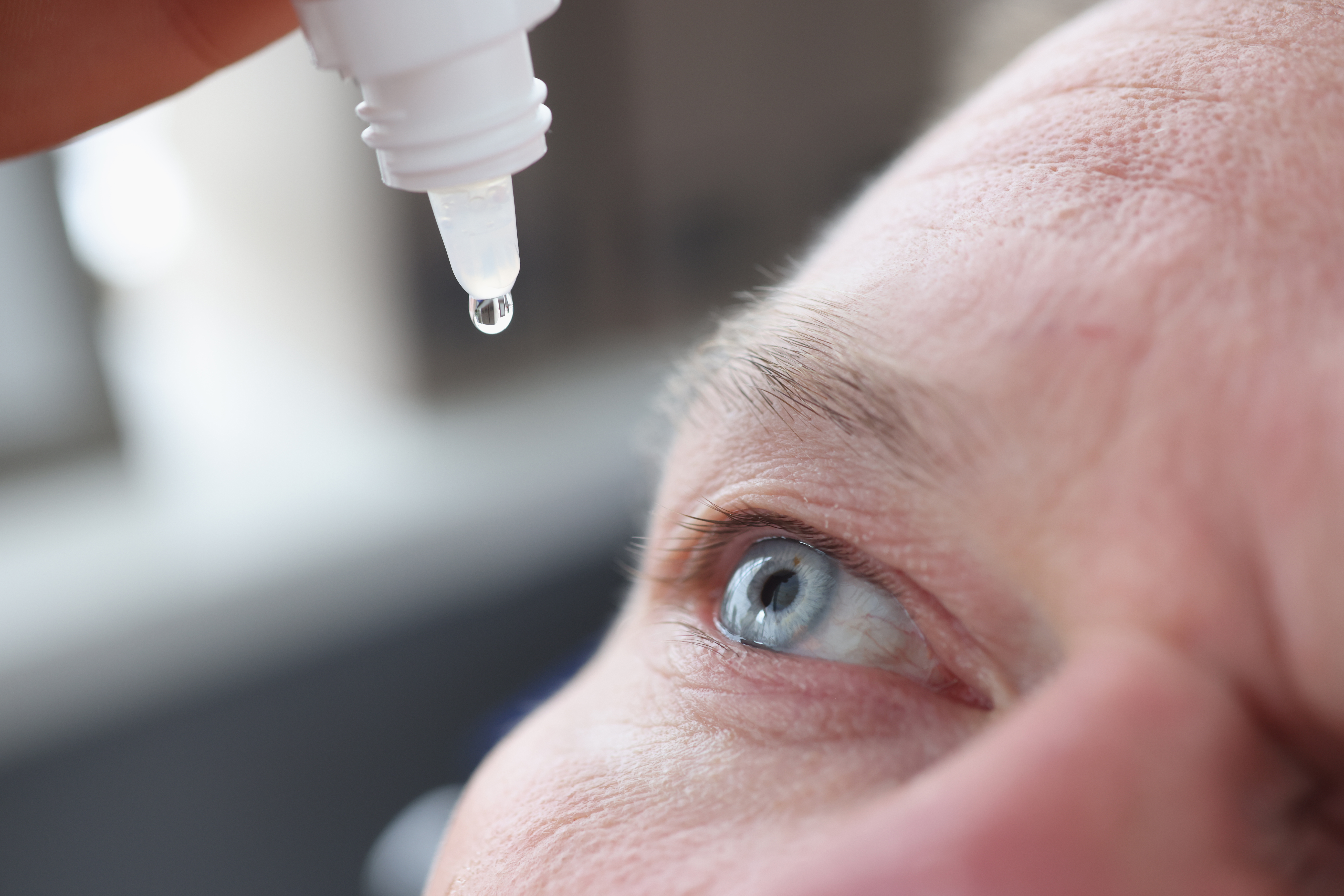
Diabetes is a chronic disease that affects millions of people worldwide and is characterised by high levels of glucose (sugar) in the blood. While its effects on organs such as the heart, kidneys and nerves are well known, its impact on eye health is often underestimated. Without proper control, diabetes can cause serious and irreversible damage to the eyes, even leading to blindness. At Clínica Ramírez & Gálvez, we want you to understand the close relationship between diabetes and your vision, and to discover why prevention, early diagnosis and expert management are crucial to protecting your eyes.
The Crucial Link: Diabetes and Eye Health 🤔
Persistently high blood glucose levels can damage blood vessels throughout the body, including the small, delicate vessels of the eyes. This damage mainly affects the retina, the light-sensitive layer at the back of the eye, and can lead to several serious complications:
The Most Common Eye Complications of Diabetes:
- Diabetic Retinopathy: Damage to the Retina 🔬
- What is it? It is the most common eye complication and the leading cause of blindness in adults with diabetes. It occurs when the blood vessels of the retina are damaged by excess sugar. At first, the vessels may swell and leak (non-proliferative retinopathy) or, in advanced stages, new abnormal blood vessels form (proliferative retinopathy) that are fragile and bleed easily.
- Symptoms: In the early stages there are usually no symptoms. As it progresses, it can cause blurred vision, spots or floaters, or even sudden loss of vision if there is a haemorrhage.
- Danger: If left untreated, it can lead to retinal detachment or neovascular glaucoma, resulting in severe and irreversible vision loss.
- Diabetic Macular Oedema:
- What is it? It is swelling of the macula, the central part of the retina responsible for detailed vision and recognising faces. It is caused by fluid leaking from damaged blood vessels.
- Symptoms: Blurred central vision, difficulty reading or recognising faces, distorted images.
- Danger: It is the most common cause of vision loss in people with diabetic retinopathy.
- Diabetic Cataracts: ☁️
- What are they? Cataracts are a clouding of the crystalline lens (the eye’s natural lens). Although anyone can develop them, people with diabetes tend to develop them at a younger age and they progress more quickly.
- Symptoms: Blurred vision, glare, difficulty seeing at night, faded colours.
- Danger: If left untreated, vision deteriorates significantly.
- Neovascular Glaucoma and Other Types of Glaucoma:
- What is it? Diabetes increases the risk of developing glaucoma, a disease that damages the optic nerve. The most specific type is neovascular glaucoma, in which new abnormal blood vessels grow on the iris and in the drainage angle of the eye, blocking the outflow of aqueous humour and raising intraocular pressure.
- Symptoms: Severe eye pain, redness, blurred vision, halos.
- Danger: If not controlled, damage to the optic nerve can lead to irreversible blindness.
- Ischaemic Optic Neuropathy:
- What is it? Damage to the optic nerve due to inadequate blood flow.
- Symptoms: Sudden, painless loss of vision.
- Ocular Nerve Palsy:
- What is it? Damage to the nerves that control the eye muscles.
- Symptoms: Double vision or strabismus (squint).
Risk Factors for Diabetic Eye Complications: ⚠️
- Poor blood sugar control: High and fluctuating blood sugar levels are the most critical factor.
- Duration of diabetes: The longer you have had diabetes, the greater the risk.
- High blood pressure: Hypertension damages the blood vessels.
- High cholesterol and triglyceride levels.
- Diabetic nephropathy (kidney damage caused by diabetes).
- Pregnancy (can worsen diabetic retinopathy).
- Smoking.
Prevention and Early Diagnosis: Your Shield for Your Vision 🛡️
The key to avoiding the eye complications of diabetes is early diagnosis and rigorous control of the disease.
- Optimal Blood Sugar Control: This is the cornerstone. Keeping blood sugar levels as close as possible to the targets recommended by your GP or endocrinologist is the most effective way to prevent damage.
- Blood Pressure and Cholesterol Control: These are equally important for protecting the blood vessels.
- Regular Eye Check-Ups:
- People with Type 1 Diabetes should have a complete eye examination by an ophthalmologist 5 years after diagnosis or from the age of 10, and annually thereafter.
- People with Type 2 Diabetes should have a complete eye examination at the time of diagnosis and at least once a year.
- During pregnancy, women with diabetes should have more frequent check-ups.
What Does a Complete Eye Examination at Clínica Ramírez & Gálvez Include? 🔍
Our expert ophthalmologists will carry out:
- Visual acuity test: To measure how well you can see.
- Tonometry: To measure intraocular pressure.
- Dilated fundus examination: Crucial for viewing the retina and optic nerve.
- Optical Coherence Tomography (OCT): To obtain detailed images of the retina and detect macular oedema or early damage.
- Fluorescein Angiography (in selected cases): To visualise the retinal blood vessels.
Advanced Treatments for Diabetic Eye Complications: 💉⚡🔪
At Clínica Ramírez & Gálvez, we offer cutting-edge treatments to manage the eye complications of diabetes:
- Laser Photocoagulation: To seal leaking blood vessels or reduce the growth of abnormal vessels in diabetic retinopathy.
- Intravitreal Injections: Medicines (anti-VEGF or corticosteroids) injected directly into the eye to reduce diabetic macular oedema and slow the growth of abnormal vessels.
- Vitrectomy: Surgery for advanced cases of diabetic retinopathy where there is bleeding into the vitreous or retinal detachment.
- Cataract Surgery: To remove the cloudy lens and replace it with an intraocular lens.
- Glaucoma Treatments: Eye drops, laser or surgery to control intraocular pressure.
Conclusion: Protect the Treasure of Your Vision with Experts 💖
Diabetes can be a challenge, but eye complications don’t have to be a life sentence. With rigorous medical control, regular eye check-ups and the expert care of Clínica Ramírez & Gálvez, you can protect your vision and maintain the quality of life you deserve. Don’t wait for symptoms to appear; prevention and early diagnosis are your best defence.