


Glaucoma
Glaucoma is a chronic eye disease that progressively damages the optic nerve, the structure that carries visual information to the brain.
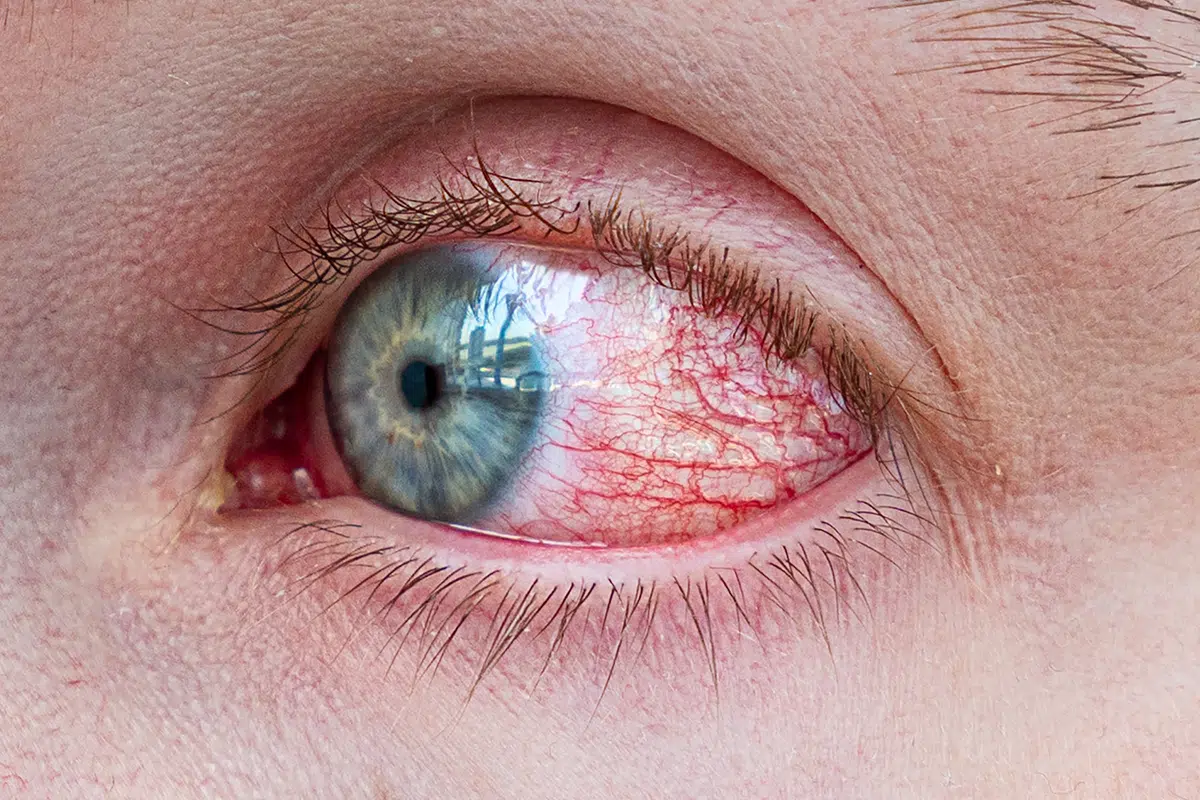
It is the second leading cause of blindness worldwide.
50% of people with glaucoma do not know they have it.
Early diagnosis can prevent vision loss in most cases.


What is Glaucoma?
Glaucoma affects the optic nerve, which is responsible for transmitting images to the brain. In most cases, the damage is caused by increased intraocular pressure, which leads to gradual vision loss and, in advanced stages, blindness.
Types of Glaucoma:
🔹 Open-angle glaucoma: The most common type. It develops slowly, with no obvious symptoms until peripheral vision begins to deteriorate.
🔹 Angle-closure glaucoma: Occurs when the drainage of aqueous humour is suddenly blocked, causing a sharp rise in eye pressure. It is an eye emergency that requires immediate care.
🔹 Congenital glaucoma: Affects babies and children due to abnormal development of the eye's drainage system.
🔹 Secondary glaucoma: Can result from other eye diseases, injuries or prolonged use of corticosteroids.
In its early stages, glaucoma may cause no symptoms
Glaucoma is known as "the silent thief of sight" because in many cases it causes no symptoms until vision loss is significant. However, some warning signs include:
✅ Gradual loss of peripheral vision
✅ Blurred vision
✅ Eye pain or redness (in angle-closure glaucoma)
✅ Halos around lights
✅ Nausea and vomiting in acute cases
If you notice any of these symptoms or have a family history of glaucoma, it is essential to have an eye examination.
Who is most at risk of developing glaucoma?
Glaucoma can affect anyone, but certain factors increase the risk:
🔹 High intraocular pressure
🔹 Older age (over 60)
🔹 Family history of glaucoma
🔹 High myopia or hyperopia
🔹 Diabetes, high blood pressure or cardiovascular disease
🔹 Long-term use of corticosteroids
Regular eye check-ups are key to detecting the disease in time.
Options to control the disease and preserve your vision
Glaucoma has no cure, but the right treatment can slow its progression.
Treatment options:
🔹 Pressure-lowering eye drops: Reduce eye pressure and help prevent further damage to the optic nerve.
🔹 Laser treatment: Techniques such as trabeculoplasty can improve the drainage of aqueous humour.
🔹 Glaucoma surgery: Recommended in advanced cases or when previous treatments have not been effective.
Treatment must be personalised and supervised by a specialist ophthalmologist.
Our Clinic
Unique spaces designed with one philosophy: excellence in caring for your eyes.




Detailed Diagnosis
A trusted environment where we listen to you, carry out a detailed diagnosis and design a personalised treatment plan together.




Commitment to Excellence
A team of professionals led by Drs. Ramírez and Gálvez with a dual commitment: medical excellence and close, human care.


Cutting-Edge Technology
Equipped with the latest technology to ensure diagnoses of maximum precision and to plan every treatment with complete safety.
Answers to your questions
We answer the most common questions about the symptoms and treatment of glaucoma. Find all the information you need to look after your vision with confidence.
Can glaucoma be prevented?
It cannot be prevented, but regular eye examinations can detect the disease early and prevent vision loss.
Is vision loss from glaucoma reversible?
No. Damage to the optic nerve is irreversible, which is why early treatment is essential.
When should I have a check-up?
If you are over 40 or have a family history of glaucoma, an annual examination is recommended.
Is treatment with eye drops for life?
Yes. Glaucoma is a chronic disease and requires ongoing treatment.
Can surgery cure glaucoma?
Surgery helps reduce eye pressure, but it does not cure the disease.