


Ocular Uveitis
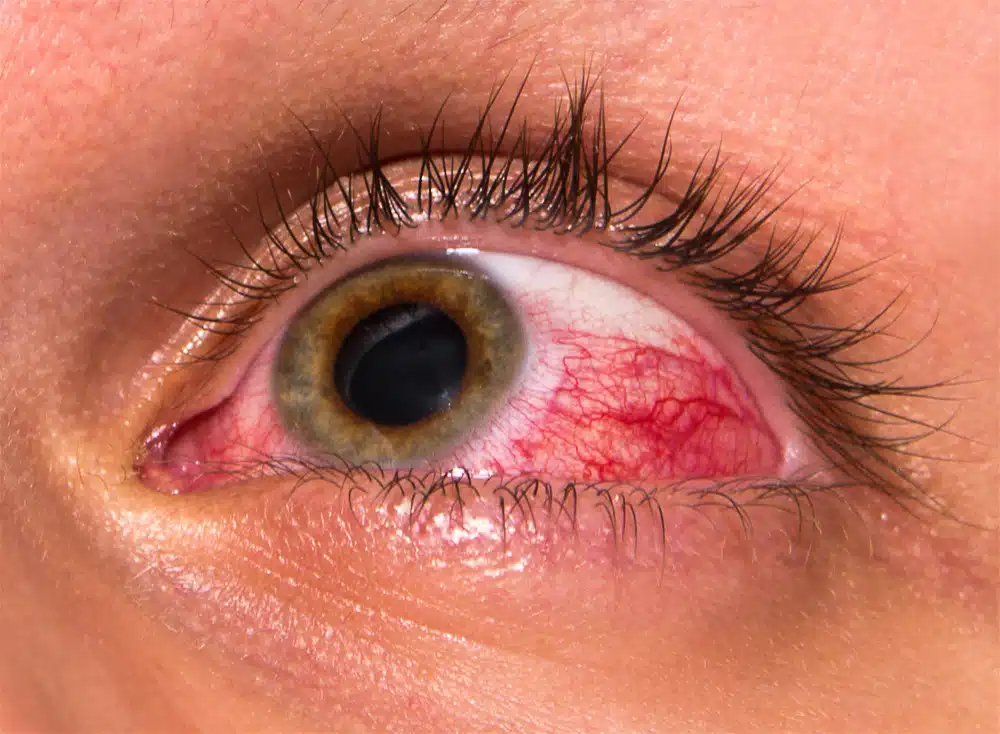
Uveitis is inflammation of the uvea, the middle layer of the eye, which includes the iris, the ciliary body and the choroid. It can appear suddenly or develop slowly, causing eye pain, blurred vision and sensitivity to light.
It is one of the leading causes of vision loss in young adults.
Early treatment significantly improves the visual prognosis.
It may be linked to systemic and autoimmune diseases, so a thorough diagnosis is important.


What is Ocular Uveitis?
Uveitis is classified according to the area of the eye affected:
🔹 Anterior uveitis: affects the iris and the ciliary body. It is the most common form and is often linked to autoimmune diseases.
🔹 Intermediate uveitis: affects the middle part of the eye, including the vitreous body. It can be associated with conditions such as multiple sclerosis.
🔹 Posterior uveitis: affects the choroid and the retina and can significantly compromise vision.
🔹 Panuveitis: inflammation of the entire uvea, the most severe form of the disease.
The most common warning signs
✅ Red, inflamed eye
✅ Eye pain
✅ Blurred vision or partial loss of vision
✅ Sensitivity to light (photophobia)
✅ Floaters or spots in your vision
✅ Increased watering
Uveitis can appear suddenly and worsen quickly, so it is essential to see an ophthalmologist at the first symptoms.
What can cause uveitis?
🔹 Autoimmune diseases: rheumatoid arthritis, ankylosing spondylitis, lupus and sarcoidosis, among others.
🔹 Infections: caused by viruses (herpes, HIV), bacteria (tuberculosis, syphilis), fungi or parasites.
🔹 Eye injuries: blows to the eye or previous eye surgery can trigger inflammation.
🔹 Genetic factors: some people have a genetic predisposition to developing uveitis.
🔹 Systemic inflammatory diseases: such as Crohn's disease or ulcerative colitis.
🔹 Idiopathic causes: in many cases, uveitis is idiopathic, meaning no clear cause is found.
Treatment options to control inflammation and protect your vision
🔹 Anti-inflammatory eye drops: corticosteroids and mydriatics to reduce inflammation and relieve symptoms.
🔹 Immunosuppressive medication: in cases of uveitis associated with autoimmune diseases.
🔹 Treatment of the underlying cause: if it is infectious, antibiotics, antivirals or antifungals are prescribed as appropriate.
🔹 Intravitreal injections or corticosteroid implants: in cases of severe or recurrent inflammation.
🔹 Eye surgery: in extreme cases where the inflammation causes complications such as cataracts or retinal detachment.
Treatment should begin as soon as possible to prevent irreversible damage to vision.
Our Clinic
Unique spaces designed with one philosophy: excellence in caring for your eyes.




Detailed Diagnosis
A trusted environment where we listen to you, carry out a detailed diagnosis and design a personalised treatment plan together.




Commitment to Excellence
A team of professionals led by Drs. Ramírez and Gálvez with a dual commitment: medical excellence and close, human care.


Cutting-Edge Technology
Equipped with the latest technology to ensure diagnoses of maximum precision and to plan every treatment with complete safety.
Answers to your questions
We answer the most common questions about the symptoms and treatment of uveitis. Find all the information you need here to look after your vision with confidence.
Can uveitis cause blindness?
If it is not treated in time, prolonged inflammation can damage key structures of the eye and permanently affect vision.
Is uveitis contagious?
It is not contagious in itself, but some of the infections that cause it, such as herpes or tuberculosis, can be transmitted.
How long does uveitis treatment last?
It depends on the type and the cause. Some forms of uveitis resolve within a few weeks, while others may require long-term treatment.
Can I wear contact lenses if I have uveitis?
Wearing contact lenses during an episode of uveitis is not recommended, as they can increase irritation and the risk of infection.
Can uveitis come back?
Yes, in some cases it can be recurrent, especially if it is linked to autoimmune or inflammatory diseases.
How can I prevent uveitis?
It cannot always be prevented, but keeping systemic diseases well controlled, avoiding infections and having regular eye check-ups can reduce the risk.