


Retinal Detachment
Retinal detachment is a serious condition in which the retina separates from the back of the eye, which can cause irreversible vision loss if it is not treated immediately.
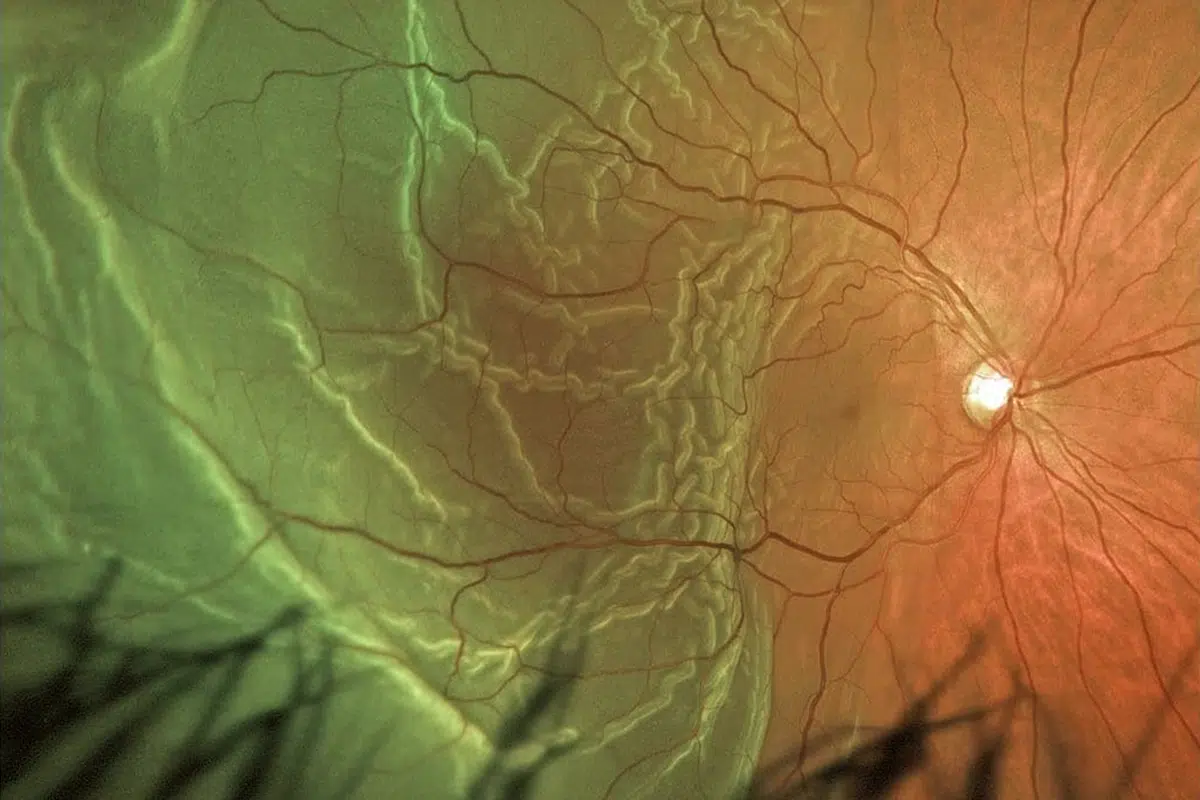
It affects approximately 1 in 10,000 people each year.
It is more common in people over 50 and in those with high myopia.
Without treatment, it can lead to total loss of vision in the affected eye.
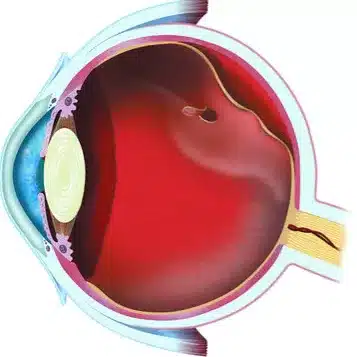

What is retinal detachment?
The retina is the layer of tissue at the back of the eye that receives light and sends images to the brain through the optic nerve. When it detaches from its normal position, it stops receiving the oxygen and nutrients it needs, which can cause permanent damage if not treated in time.
Types of Retinal Detachment:
🔹 Rhegmatogenous: Caused by a tear in the retina that allows fluid to seep through, separating it from the wall of the eye. This is the most common type.
🔹 Tractional: Occurs when scar tissue on the surface of the retina pulls on it and detaches it. It is often linked to conditions such as diabetic retinopathy.
🔹 Exudative: Caused by fluid building up beneath the retina without any tears. It may be associated with inflammation or eye tumours.
Recognising the warning signs can save your sight
Symptoms usually appear suddenly and require immediate attention. The most common include:
✅ Sudden appearance of floaters or spots in your vision
✅ Flashes of light in one or both eyes
✅ Blurred vision or a "shadow" across the visual field
✅ Partial or total loss of vision in one eye
If you experience any of these symptoms, see an ophthalmologist urgently.
Who is most at risk of retinal detachment?
🔹 Older age (over 50)
🔹 High myopia
🔹 Eye trauma
🔹 Previous cataract surgery or other eye operations
🔹 Family history of retinal detachment
🔹 Conditions such as diabetic retinopathy
Advanced options to restore vision
Treatment depends on the type and severity of the detachment, but in most cases surgery is required.
Treatment Options:
🔹 Laser photocoagulation or cryotherapy: Seals small tears in the retina before they lead to a detachment.
🔹 Vitrectomy: A surgical technique that removes the vitreous humour and repairs the retina using laser and intraocular gas.
🔹 Scleral buckle: A band is placed around the eye to relieve traction on the retina and allow it to reattach properly.
🔹 Intraocular gas injection: Gas is injected into the eye to push the retina back into position.
Early diagnosis significantly improves the outcome of treatment.
Our Clinic
Unique spaces designed with one philosophy: excellence in caring for your eyes.




Detailed Diagnosis
A trusted environment where we listen to you, carry out a detailed diagnosis and design a personalised treatment plan together.




Commitment to Excellence
A team of professionals led by Drs. Ramírez and Gálvez with a dual commitment: medical excellence and close, human care.


Cutting-Edge Technology
Equipped with the latest technology to ensure diagnoses of maximum precision and to plan every treatment with complete safety.
Answers to your questions
We answer the most common questions about the symptoms and treatment of retinal detachment. Here you will find all the information you need to recover your vision with confidence.
Can retinal detachment be prevented?
Although it cannot always be avoided, regular eye check-ups help detect retinal tears before they turn into a detachment.
Can retinal detachment be cured without surgery?
Generally, no: in most cases surgery is required. Laser treatment or cryotherapy is mainly used to seal tears before the retina becomes detached.
How long does it take for vision to recover after surgery?
Recovery varies, but it can take weeks or months. Some patients may experience a partial improvement, depending on the prior damage.
Are people with high myopia at greater risk?
Yes, because their retina is thinner and more fragile, which increases the likelihood of tears.