


Blepharitis
Blepharitis is a common eye condition characterised by inflammation of the eyelid margins. It can cause uncomfortable symptoms such as itching, redness, a burning sensation and flakes or crusts at the base of the eyelashes.

It is one of the most common conditions in ophthalmology.
It is associated with other conditions such as dry eye and ocular rosacea.
Early treatment and eyelid hygiene help prevent complications.


What is Blepharitis?
Blepharitis occurs when the glands in the eyelids become blocked or inflamed, causing irritation. It can affect people of any age and, in some cases, is associated with other conditions such as dry eye or ocular rosacea.
📌 Types of blepharitis
🔹 Anterior blepharitis: affects the outer part of the eyelid, near the base of the eyelashes. It is often linked to bacterial infections or skin conditions such as seborrhoeic dermatitis.
🔹 Posterior blepharitis: occurs when the meibomian glands (which produce the lipid layer of the tear film) become blocked, which can lead to dry eye and eye discomfort.
How can you recognise this condition?
Blepharitis is usually chronic and its symptoms may come and go. The most common include:
🔹 Itching, stinging and a burning sensation in the eyes
🔹 Redness and swelling of the eyelids
🔹 A foreign-body or gritty sensation in the eyes
🔹 Sticky eyelids, especially on waking
🔹 Dry eyes or excessive watering
🔹 Flaking or crusting at the base of the eyelashes
🔹 Increased sensitivity to light (photophobia)
🔹 Loss or abnormal growth of eyelashes in advanced cases
If you experience these symptoms frequently, it is important to see an ophthalmologist for a proper diagnosis.
Why does blepharitis develop?
The causes of blepharitis can vary, but the most common include:
✅ Bacterial infections: some bacteria found on the skin can multiply on the eyelid margin and cause inflammation.
✅ Meibomian gland dysfunction: if the glands do not produce enough oil, the tear film becomes unstable and can cause irritation.
✅ Seborrhoeic dermatitis: can cause flaking and a build-up of oil on the eyelids.
✅ Ocular rosacea: a chronic inflammatory skin disease that affects the eyes.
✅ Allergies or sensitivity to cosmetics or contact lenses.
Care and solutions to improve the health of your eyelids
The treatment of blepharitis focuses on controlling inflammation and improving eyelid hygiene. Options include:
🔹 Daily eyelid hygiene: cleaning the eyelids with special wipes or saline solution.
🔹 Warm compresses: help unblock the glands and relieve symptoms.
🔹 Lubricating eye drops: to improve eye hydration in cases of dry eye.
🔹 Topical or oral antibiotics: in cases of bacterial infection.
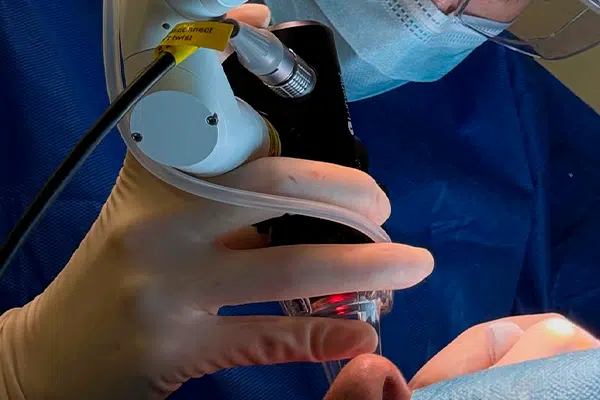
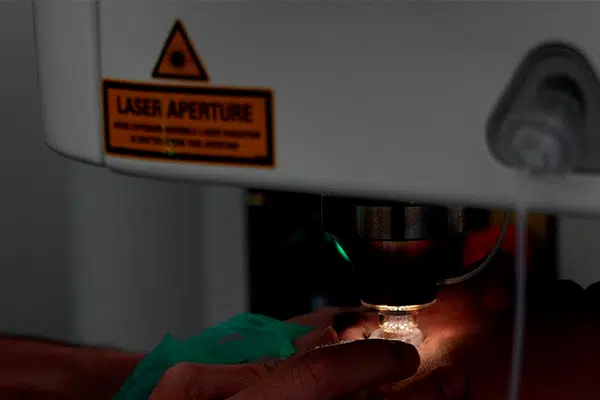
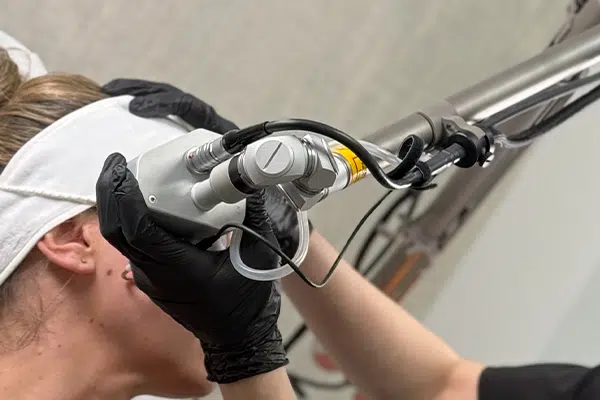
🔹 Intense pulsed light (IPL) treatment: advanced technology to improve meibomian gland function.
🔹 Corticosteroids in severe inflammatory cases: under medical supervision.
Appropriate treatment and consistent eye hygiene are key to preventing relapses.
Our Clinic
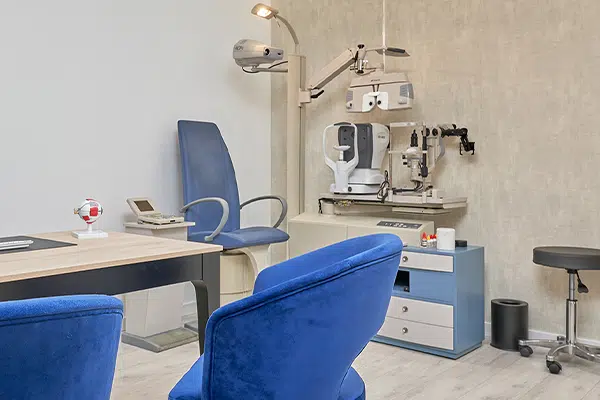
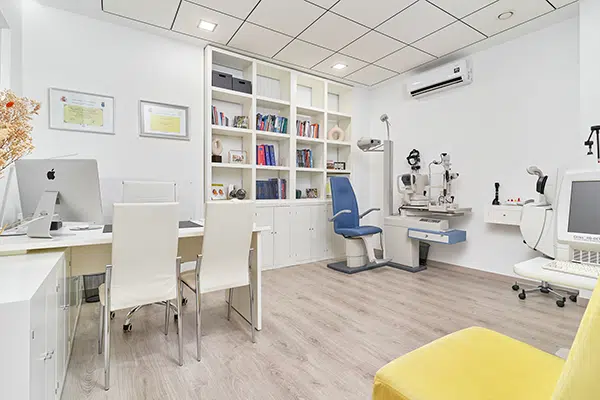
Unique spaces designed with one philosophy: excellence in caring for your eyes.


Detailed Diagnosis
A trusted environment where we listen to you, carry out a detailed diagnosis and design a personalised treatment plan together.


Commitment to Excellence
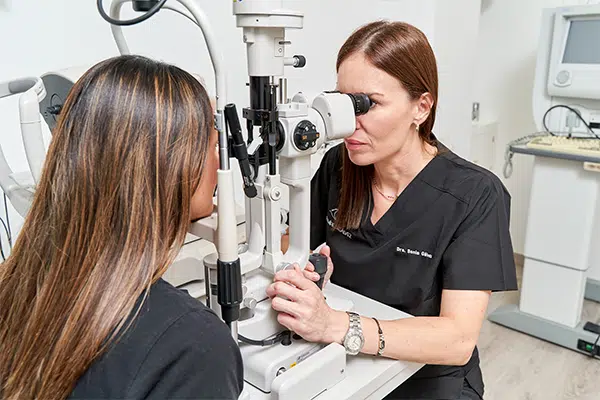
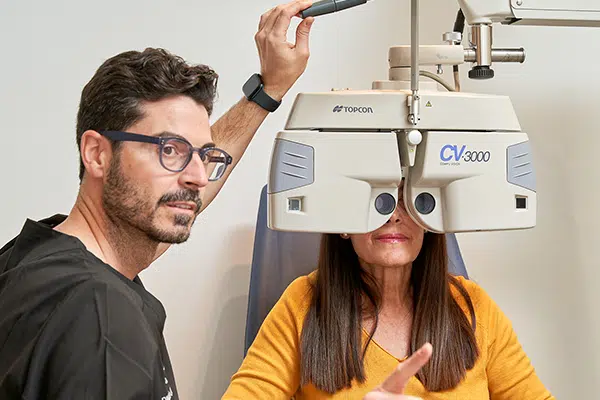
A team of professionals led by Drs. Ramírez and Gálvez with a dual commitment: medical excellence and close, human care.
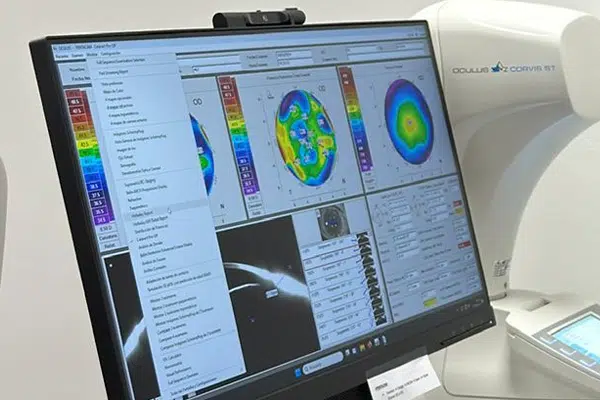
Cutting-Edge Technology
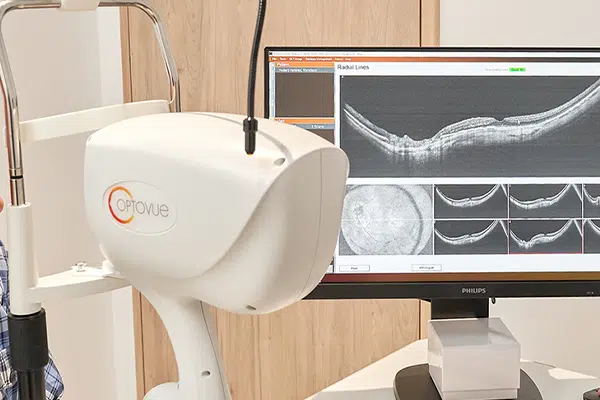
Equipped with the latest technology to ensure diagnoses of maximum precision and to plan every treatment with complete safety.
Answers to your questions
We answer the most common questions about the symptoms and treatment of blepharitis. Here you will find all the information you need to look after your eyes with confidence.
Is blepharitis contagious?
No. Although it can be caused by bacteria, it is not passed from one person to another.
Is it a chronic condition?
Yes, it is usually a recurring condition that requires ongoing treatment.
Can I wear make-up if I have blepharitis?
It is advisable to avoid eye make-up while symptoms are active.
Can blepharitis affect vision?
In severe or untreated cases, it can lead to complications such as severe dry eye or eyelash problems.
Is intense pulsed light (IPL) treatment effective?
Yes, it has proven to be very effective in cases of blepharitis associated with meibomian gland dysfunction.