


Age-Related Macular Degeneration (AMD)
Age-related macular degeneration (AMD) is a progressive eye disease that affects the macula, the central part of the retina responsible for detailed vision.

It is the leading cause of vision loss in people over 50 in developed countries.
80–90% of cases are dry AMD, while wet AMD accounts for the rest.
Early diagnosis and appropriate treatment can slow the progression of the disease.


What is age-related macular degeneration(AMD)?
AMD causes deterioration of the macula, the area of the retina responsible for central, detailed vision. The disease is more common in people over 50 and can take two main forms:
✅ Dry or atrophic AMD: the most common form (80–90% of cases). It is caused by progressive thinning of the macula due to the build-up of deposits called drusen. It progresses slowly but can lead to significant loss of vision.
✅ Wet or exudative AMD: less common but more aggressive. It is characterised by the abnormal growth of blood vessels beneath the retina, which can leak fluid and cause rapid and severe loss of vision.
Early diagnosis is key to controlling the disease and preventing further loss of vision.
How do you know if you have macular degeneration?
AMD can affect one or both eyes, and its symptoms vary depending on the type and stage of the disease. Warning signs include:
🔹 Blurred vision or difficulty seeing fine detail.
🔹 Loss of central vision, with a dark spot appearing in the centre of the visual field.
🔹 Difficulty reading or recognising faces.
🔹 Straight lines appearing wavy or distorted (metamorphopsia).
🔹 Needing more light to read or do close-up tasks.
If you notice any of these symptoms, it is essential to see an ophthalmologist for a full assessment and an accurate diagnosis.
Why does macular degeneration develop?
AMD is associated with ageing, but other factors can increase the risk of developing the disease.
📌 Risk factors for AMD:
✅ Age: it mainly affects people over 50.
✅ Genetics: a family history increases the likelihood of developing it.
✅ Smoking: doubles the risk of AMD.
✅ Prolonged sun exposure: UV radiation can damage the retina.
✅ High blood pressure and cardiovascular disease: these affect blood flow to the eye.
✅ A diet low in antioxidants: a lack of essential vitamins and minerals can bring forward its onset.
Adopting healthy habits and having regular eye check-ups can help reduce the risk and detect the disease in time.
Treatment options to slow progression
The treatment of AMD depends on the type of macular degeneration and how advanced it is.
🔹 Dry AMD: there is no curative treatment, but its progression can be slowed with:
✅ Antioxidant supplements (vitamins C and E, zinc, lutein and omega-3).
✅ Control of risk factors such as high blood pressure and smoking.
✅ Ophthalmic follow-up to detect any progression to wet AMD.
🔹 Wet AMD: there are effective treatments to stop the growth of abnormal blood vessels and preserve vision:
✅ Intravitreal anti-VEGF injections: these stop the formation of new blood vessels and reduce inflammation.
✅ Photodynamic therapy: a laser-activated drug is used to seal the abnormal blood vessels.
✅ Thermal laser: in specific cases, a laser can be used to destroy the abnormal vessels and prevent further damage to the macula.
At Clínica Ramírez & Gálvez, we carry out a personalised assessment for each patient in order to offer the most appropriate treatment and slow the progression of AMD.
Our Clinic
Unique spaces designed with one philosophy: excellence in caring for your eyes.
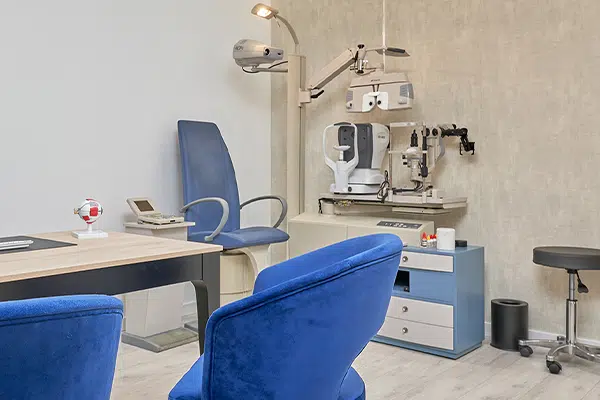
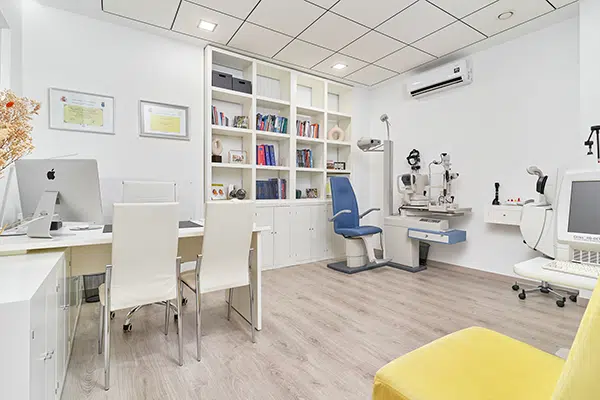


Detailed Diagnosis
A trusted environment where we listen to you, carry out a detailed diagnosis and design a personalised treatment plan together.
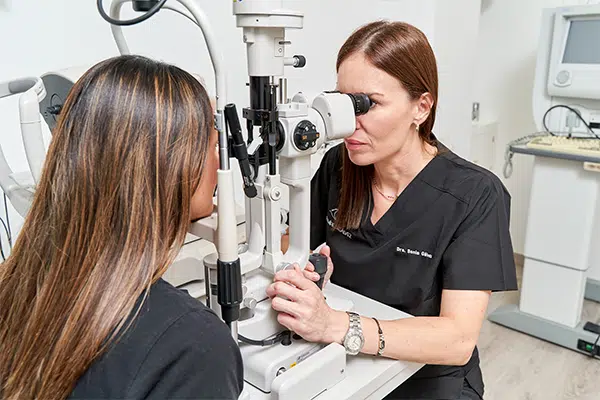

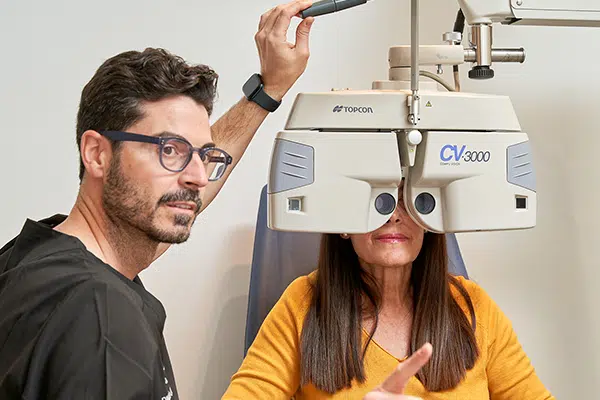

Commitment to Excellence
A team of professionals led by Drs. Ramírez and Gálvez with a dual commitment: medical excellence and close, human care.

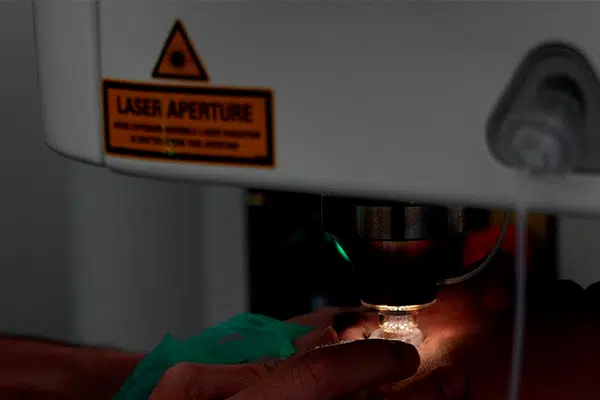
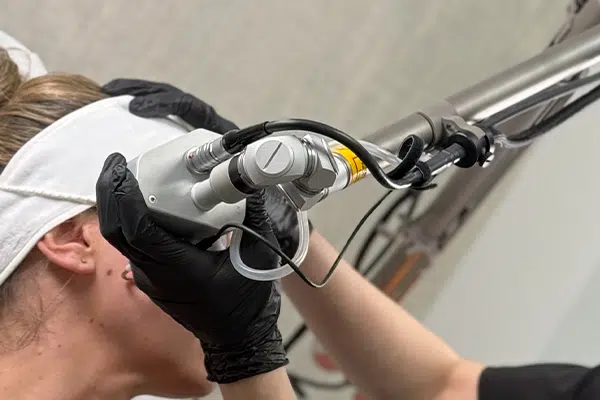
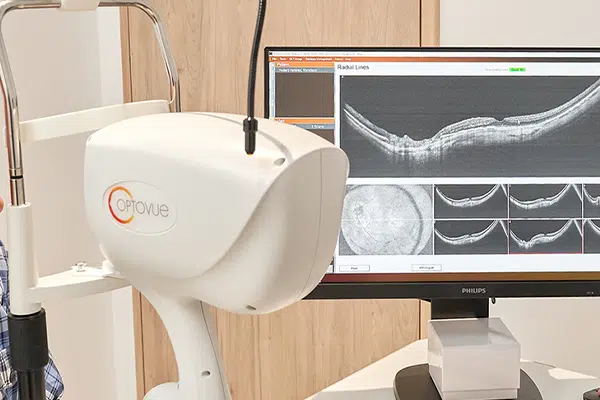
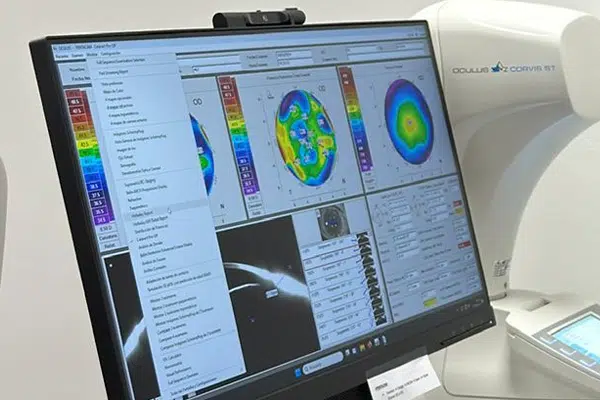
Cutting-Edge Technology
Equipped with the latest technology to ensure diagnoses of maximum precision and to plan every treatment with complete safety.
Answers to your questions
We answer the most common questions about the symptoms and treatment of macular degeneration. Here you will find all the information you need to look after your vision with confidence.
Does AMD cause total blindness?
No. AMD affects central vision but does not usually cause total blindness, as peripheral vision is preserved.
Is macular degeneration hereditary?
Yes, genetics play an important role. If you have a family history, your risk of developing AMD is higher.
Can AMD be prevented?
It cannot be prevented completely, but leading a healthy lifestyle, protecting your eyes from the sun and not smoking can reduce the risk.
Are the injections for wet AMD painful?
No. They are given under local anaesthesia and are usually well tolerated by patients.
How many injections are needed to treat wet AMD?
The number of injections varies from patient to patient, but several are usually needed in the first year of treatment.
Can I drive if I have AMD?
It depends on how much your vision is affected. It is important to have an eye examination to determine whether your vision is good enough to drive safely.