


Diabetic Retinopathy
Diabetic retinopathy is an eye disease that affects people with diabetes, damaging the blood vessels of the retina.
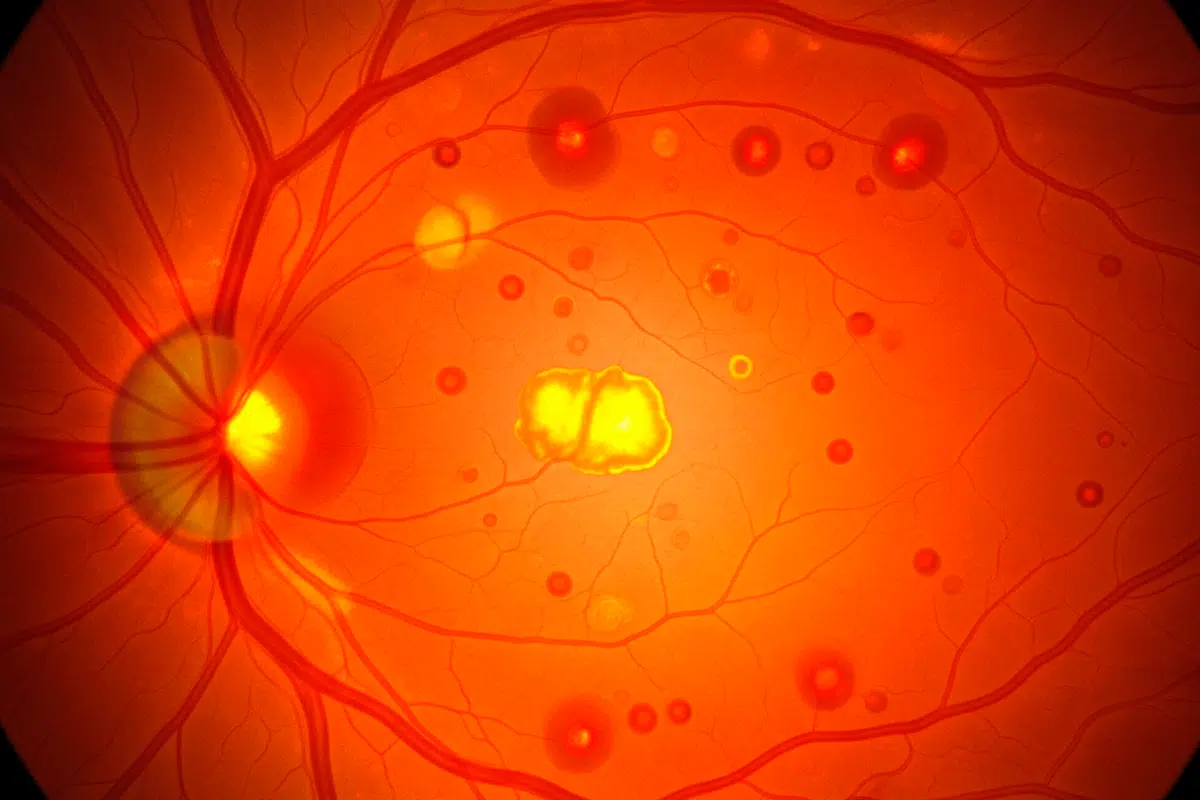
It is one of the leading causes of blindness in working-age adults.
Up to 80% of people who have had diabetes for more than 20 years may develop diabetic retinopathy.
Proper control of blood glucose and blood pressure reduces the risk of progression.
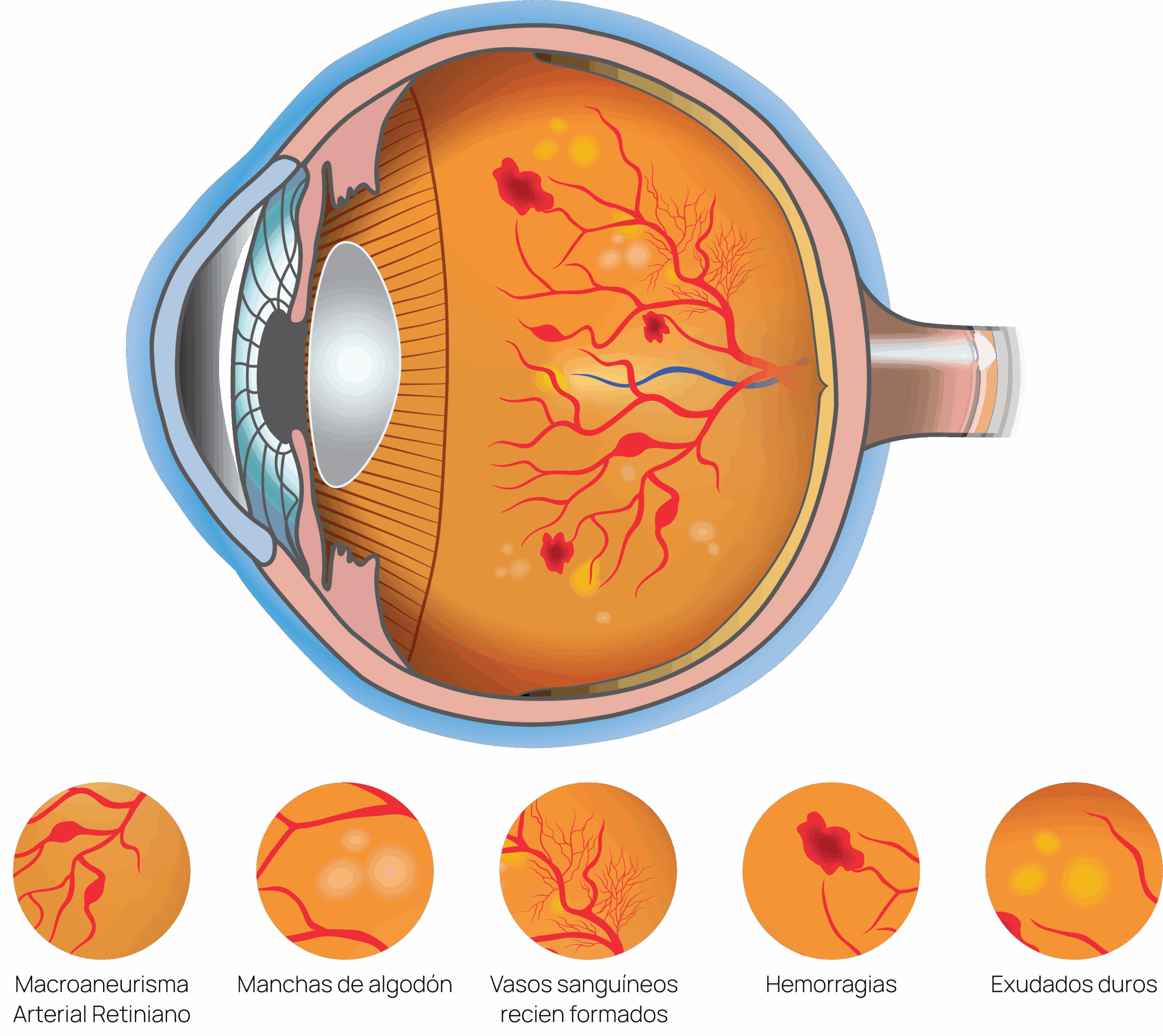

What is Diabetic Retinopathy?
The retina is the inner layer of the eye that captures light and sends it to the brain to form images. In people with diabetes, high glucose levels can weaken the blood vessels of the retina, causing leakage of fluid or blood and affecting vision.
Types of Diabetic Retinopathy:
🔹 Non-Proliferative Diabetic Retinopathy (NPDR): This is the early stage, in which the blood vessels begin to be damaged and microaneurysms and haemorrhages may appear in the retina. At this stage, vision may not be affected straight away.
🔹 Proliferative Diabetic Retinopathy (PDR): This is the most advanced and serious form of the disease. New, abnormal blood vessels form that can bleed inside the eye, causing severe vision loss and increasing the risk of retinal detachment.
How can this eye complication be detected?
Diabetic retinopathy can be silent in its early stages. As it progresses, symptoms such as the following may appear:
✅ Blurred or distorted vision.
✅ Difficulty seeing at night.
✅ Spots or "floaters" in your vision.
✅ Sudden or gradual loss of vision.
✅ Dark areas in the visual field.
If you have diabetes, it is essential to have regular eye examinations to detect the disease in time and prevent complications.
Why does diabetic retinopathy develop?
The main risk factor is diabetes, but certain factors can increase the likelihood of developing this disease:
🔹 Poor control of blood sugar levels
🔹 High blood pressure
🔹 High cholesterol
🔹 Smoking
🔹 Obesity
🔹 Longer duration of diabetes (more than 10–15 years)
Maintaining good metabolic control and attending regular eye examinations are key to preventing the progression of diabetic retinopathy.
Options to slow the disease and protect your vision
The treatment of diabetic retinopathy depends on the degree to which the eye is affected. In the early stages, controlling diabetes is key to preventing progression.
Treatment Options:
🔹 Laser photocoagulation: Used to seal damaged blood vessels and prevent haemorrhages.
🔹 Intravitreal injections: Medicines such as anti-angiogenic (anti-VEGF) drugs help reduce macular oedema and prevent the growth of abnormal blood vessels.
🔹 Vitrectomy: In advanced cases, surgery is performed to remove blood that has accumulated in the vitreous and to repair retinal detachment if necessary.
Early diagnosis and the right treatment can prevent vision loss in most cases.
Our Clinic
Unique spaces designed with one philosophy: excellence in caring for your eyes.




Detailed Diagnosis
A trusted environment where we listen to you, carry out a detailed diagnosis and design a personalised treatment plan together.




Commitment to Excellence
A team of professionals led by Drs. Ramírez and Gálvez with a dual commitment: medical excellence and close, human care.


Cutting-Edge Technology
Equipped with the latest technology to ensure diagnoses of maximum precision and to plan every treatment with complete safety.
Answers to your questions
We answer the most common questions about the symptoms and treatment of diabetic retinopathy. Here you will find all the information you need to look after your vision with confidence.
Does everyone with diabetes develop diabetic retinopathy?
No, but the risk increases over time, especially if diabetes is not well controlled.
Can diabetic retinopathy be reversed?
In its early stages, proper control of diabetes can halt its progression. However, in advanced stages, the damage to the retina may be irreversible.
How often should I have an eye check-up if I have diabetes?
An annual eye examination is recommended, even if you have no symptoms.
Is laser treatment painful?
The procedure is well tolerated and is performed under topical anaesthesia to avoid discomfort.
Can I lose my sight completely from diabetic retinopathy?
If it is not detected and treated in time, diabetic retinopathy can cause blindness. That is why eye examinations are essential.