


Strabismus in Children
Strabismus in children is a condition in which the eyes are not correctly aligned and point in different directions. It can affect the child’s vision, depth perception and visual development.
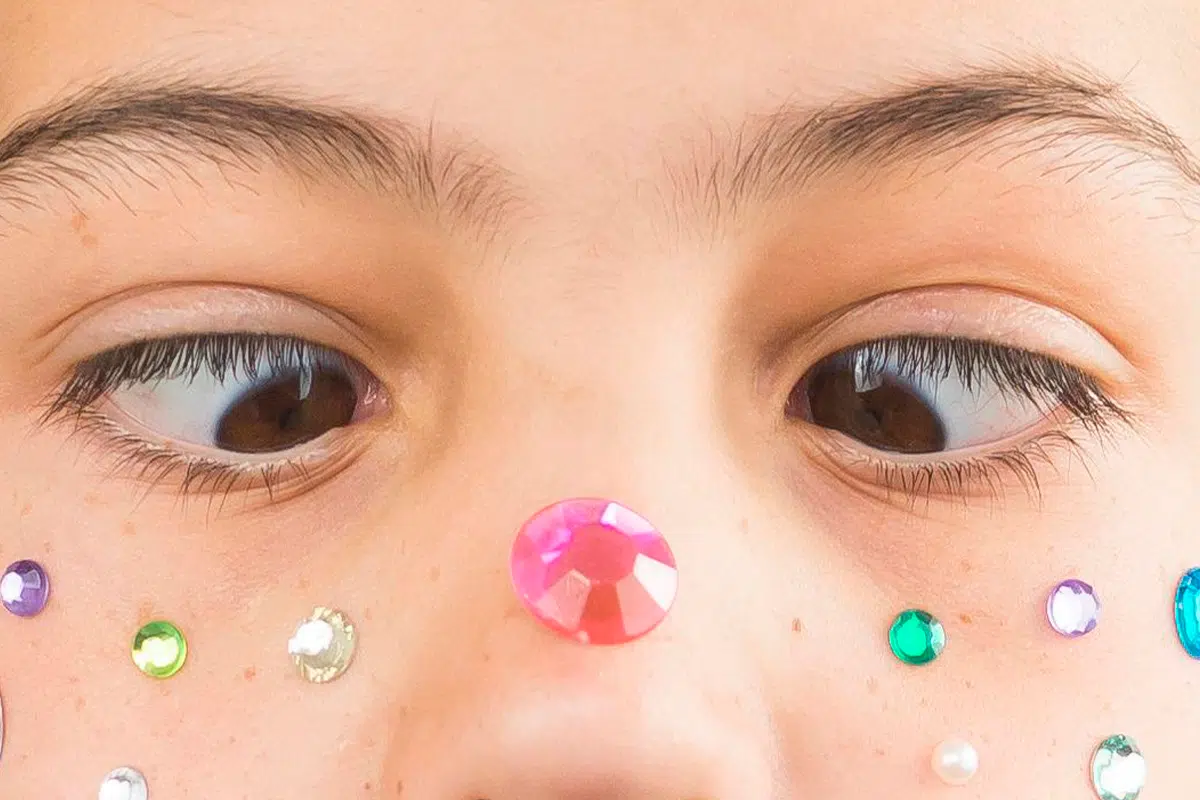
It affects 2 to 4 in every 100 children.
If it is not treated before the age of 8, vision may be permanently reduced.
Early detection significantly improves visual recovery.


What is strabismus in children?
An eye condition that can affect a child's vision and development.
Strabismus occurs when the muscles that control the eyes do not work in a coordinated way, causing one eye to look in one direction and the other in another. It can be constant or intermittent and can affect one or both eyes.
If it is not treated in time, the brain may ignore the image from the turned eye, which can lead to lazy eye (amblyopia) and permanent loss of vision.
How can you tell if your child has strabismus?
✅ One eye visibly turns.
✅ Loss of depth perception.
✅ Difficulty fixing the gaze on an object.
✅ Closing one eye in bright light.
✅ Tilting or turning the head to focus better.
✅ Double vision in some cases.
If you notice any of these symptoms in your child, it is essential to see a specialist for an eye assessment.
Why does the eye turn?
🔹 Genetic factors: A family history of strabismus increases the risk.
🔹 Neuromuscular problems: Disorders of the muscles or nerves that control eye movement.
🔹 Uncorrected refractive errors: Hyperopia or astigmatism can force the eyes to make extra effort and cause them to turn.
🔹 Developmental disorders: Conditions such as cerebral palsy or genetic syndromes can be associated with strabismus.
🔹 Problems in the visual system: Abnormal development of the connection between the eye and the brain can lead to misalignment.
Options to correct eye alignment and improve vision
🔹 Optical correction (glasses or contact lenses): These are used if the strabismus is caused by a refractive error, such as hyperopia. Some children improve with consistent use of glasses without the need for surgery.
🔹 Patching or optical penalisation: If there is a lazy eye, a patch is placed over the dominant eye to stimulate the affected eye and improve its vision.
🔹 Vision therapy exercises: These help to improve eye coordination in cases of mild or intermittent strabismus. They are especially useful for intermittent exotropia or convergence problems.
🔹 Botulinum toxin injections (Botox): These relax the eye muscles in some types of strabismus.
🔹 Strabismus surgery: This is performed if other options have not been effective or if the strabismus is severe.
- It involves strengthening or weakening certain eye muscles to improve alignment.
The treatment depends on the type and severity of the strabismus, as well as the child's age.
Our Clinic
Unique spaces designed with one philosophy: excellence in caring for your eyes.




Detailed Diagnosis
A trusted environment where we listen to you, carry out a detailed diagnosis and design a personalised treatment plan together.




Commitment to Excellence
A team of professionals led by Drs. Ramírez and Gálvez with a dual commitment: medical excellence and close, human care.


Cutting-Edge Technology
Equipped with the latest technology to ensure diagnoses of maximum precision and to plan every treatment with complete safety.
Answers to your questions
We answer the most common questions about strabismus in children. Here you will find all the information you need to look after your child's vision with confidence.
Is strabismus normal in babies?
In the first months of life, some babies may show occasional eye turns, but if these persist beyond 6 months of age, an eye assessment is advisable.
Can strabismus be corrected without surgery?
In some cases, yes: glasses, vision therapy or eye exercises can correct the problem without the need for surgery.
Is strabismus surgery safe for children?
Yes, it is a safe procedure with good results when indicated. It is performed under general anaesthesia and the child can return to their routine within a few days.
Can strabismus come back after treatment?
In some cases, follow-up and adjustments to treatment may be needed to maintain the results.
Does strabismus in children affect learning?
Yes, it can cause difficulties with reading and visual coordination, affecting school performance if it is not treated in time.
How can strabismus be prevented in children?
Regular eye examinations make it possible to detect and treat any vision problem before it affects the child’s development.