


Conjunctivitis (Viral or Allergic)
Conjunctivitis is an inflammation of the conjunctiva, the membrane that covers the white of the eye and the inside of the eyelids. It is one of the most common eye conditions and can be caused by viruses, allergies or irritants.
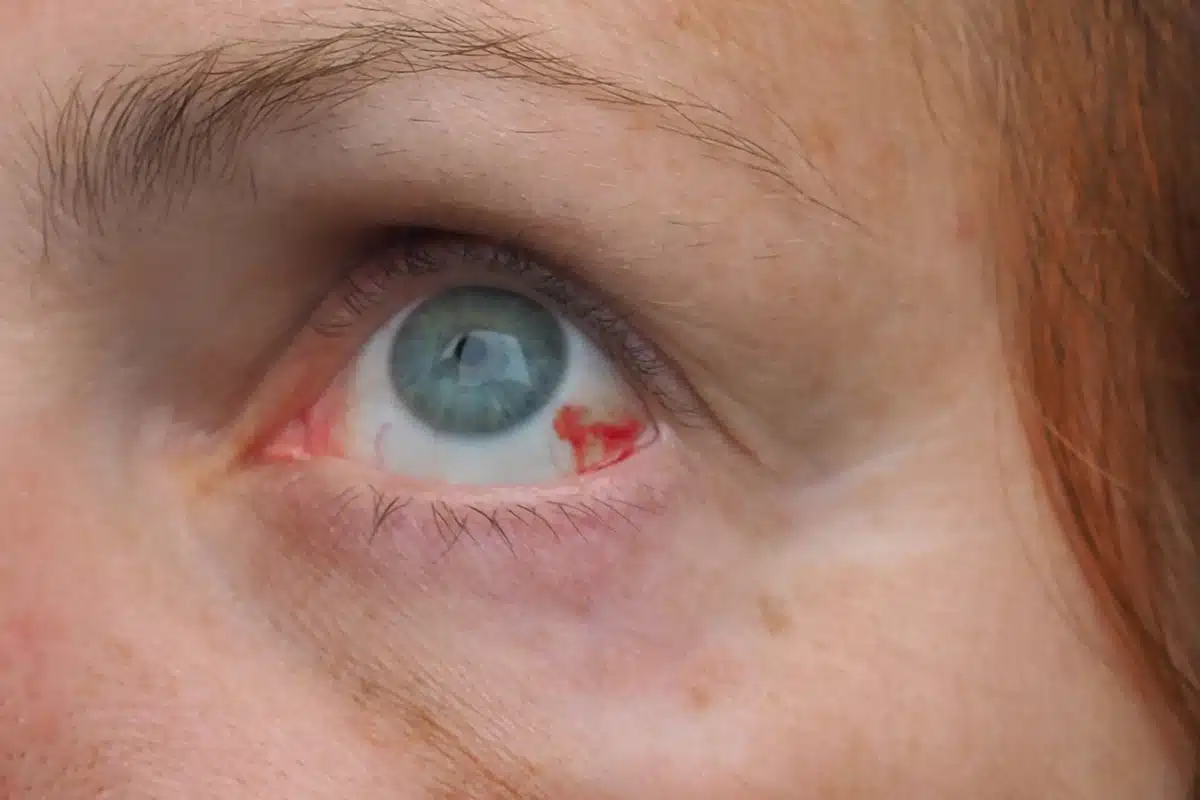
It is one of the most common eye conditions and can occur at any age.
The viral form spreads easily; the allergic form is linked to pollen, dust or dust mites.
Advanced treatments are available that can significantly improve symptoms.


What is Conjunctivitis?
Conjunctivitis can affect one or both eyes and usually causes symptoms such as redness, itching, watery eyes and discharge. Depending on its cause, it is classified into several types, the most common being viral and allergic conjunctivitis.
Types of Conjunctivitis:
🔹 Viral conjunctivitis: Highly contagious and usually caused by the same viruses responsible for the common cold. It is characterised by redness, watery eyes and a gritty sensation in the eyes.
🔹 Allergic conjunctivitis: Caused by an immune system reaction to allergens such as pollen, dust or dust mites. It causes intense itching, watery eyes and eye redness.
How can you tell each type apart?
The symptoms of conjunctivitis can vary depending on its cause:
🔴 Viral Conjunctivitis
✅ Intense eye redness
✅ Constant watering
✅ Foreign body or gritty sensation
✅ Watery, clear discharge
✅ It may affect one eye first and then the other
✅ Swollen lymph nodes near the ear in some cases
🤧 Allergic Conjunctivitis
✅ Intense itching of the eyes
✅ Redness and watering
✅ Swollen eyelids
✅ Mucous (non-purulent) discharge
✅ It may be associated with sneezing or nasal congestion
✅ It usually affects both eyes at the same time
If you have any of these symptoms, it is important to see an ophthalmologist to determine the exact cause and receive the right treatment.
Why does conjunctivitis occur?
🔹 Viral conjunctivitis: Spread through contact with infected surfaces, secretions or respiratory droplets.
🔹 Allergic conjunctivitis: Exposure to allergens such as pollen, dust, dust mites or pet hair.
🔹 Poor eye hygiene: Touching your eyes with dirty hands can increase the risk of infection.
🔹 Prolonged use of contact lenses without proper hygiene.
Solutions to relieve symptoms and prevent infection
Treatment for Viral Conjunctivitis
🔹 Lubricating eye drops to relieve irritation.
🔹 Cold compresses to reduce inflammation.
🔹 Avoiding contact with other people until the symptoms have cleared.
🔹 Not touching your eyes or sharing towels or pillows.
⚠️ There are no effective antibiotics for viral conjunctivitis, as it is caused by a virus. Treatment focuses on relieving the symptoms until the virus clears.
Treatment for Allergic Conjunctivitis
🔹 Antihistamine eye drops to reduce inflammation and itching.
🔹 Artificial tears to wash allergens from the surface of the eye.
🔹 Avoiding exposure to known allergens.
🔹 Cold compresses to relieve swelling.
Our Clinic
Unique spaces designed with one philosophy: excellence in caring for your eyes.




Detailed Diagnosis
A trusted environment where we listen to you, carry out a detailed diagnosis and design a personalised treatment plan together.




Commitment to Excellence
A team of professionals led by Drs. Ramírez and Gálvez with a dual commitment: medical excellence and close, human care.


Cutting-Edge Technology
Equipped with the latest technology to ensure diagnoses of maximum precision and to plan every treatment with complete safety.
Answers to your questions
We answer the most common questions about the symptoms and treatment of conjunctivitis (viral or allergic). Here you will find all the information you need to look after your eye health with confidence.
Is viral conjunctivitis contagious?
Yes, it spreads easily through direct contact or contaminated surfaces.
How long does viral conjunctivitis last?
It usually lasts between 7 and 14 days, depending on the case.
Can allergic conjunctivitis be chronic?
Yes, especially in people with seasonal or environmental allergies.
Can I wear contact lenses if I have conjunctivitis?
No, it is advisable to stop wearing them until the inflammation has cleared.
When should I see an ophthalmologist?
If symptoms persist for more than a week, or there is heavy discharge or severe pain, a medical assessment is essential.