


Dry Eye Syndrome
Dry eye syndrome is an eye condition in which the surface of the eye is not properly lubricated due to insufficient tear production or excessive evaporation of the tear film.
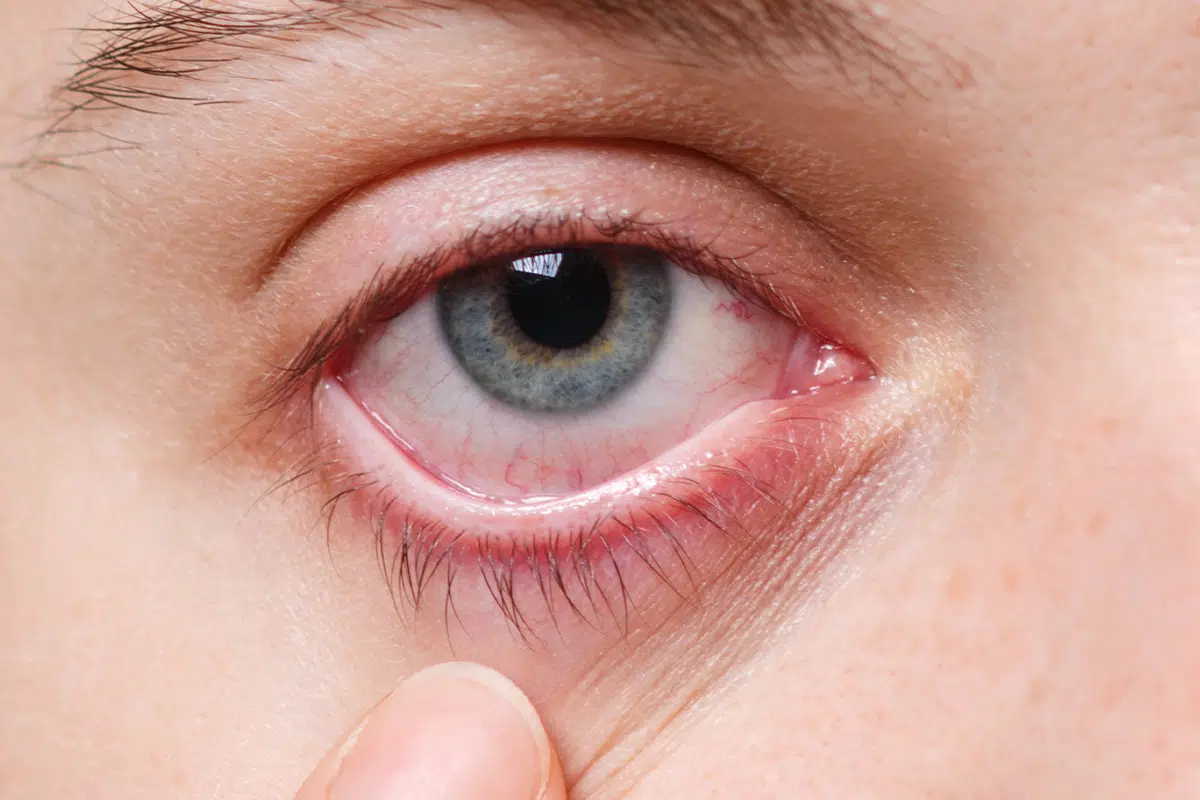
It affects millions of people worldwide, especially those over the age of 50.
Excessive use of screens and electronic devices increases its incidence.
There are advanced treatments that can significantly improve symptoms.


What is Dry Eye Syndrome?
Dry eye occurs when tears do not adequately moisten the surface of the eye, leading to inflammation and irritation. This may be due to reduced tear production or excessive tear evaporation.
There are two main types of dry eye:
🔹 Aqueous-deficient dry eye: the lacrimal gland does not produce enough tears. It is often associated with autoimmune diseases such as Sjögren's syndrome, rheumatoid arthritis or lupus.
🔹 Evaporative dry eye: the lipid layer of the tear film is insufficient, causing tears to evaporate too quickly, due to meibomian gland dysfunction.
How can you recognise this condition?
The symptoms of dry eye syndrome can vary in intensity, but usually include:
🔹 A dry or gritty sensation in the eyes.
🔹 Eye irritation and redness.
🔹 Itching and stinging in the eyes.
🔹 Sensitivity to light (photophobia).
🔹 Blurred or fluctuating vision.
🔹 Excessive watering (as a compensatory reaction to dryness).
🔹 Eye strain and a feeling of heaviness in the eyelids, especially after long periods of visual concentration.
🔹 Discomfort when wearing contact lenses.
If you experience any of these symptoms frequently, it is advisable to have an eye examination to determine the cause and the best treatment.
What causes dry eye syndrome?
Dry eye can have many causes, from environmental factors to systemic diseases.
📌 Factors that can cause dry eye:
✅ Advanced age: tear production decreases over the years.
✅ Prolonged screen use: reduces how often you blink, which encourages dryness.
✅ Environmental factors: dry climate, wind, air conditioning or heating.
✅ Contact lens wear: can disrupt the tear film.
✅ Hormonal changes: especially in women during the menopause.
✅ Autoimmune diseases: such as Sjögren's syndrome or rheumatoid arthritis.
✅ Previous eye surgery: some procedures, such as refractive surgery, can affect tear production.
Personalised solutions to improve your wellbeing
In our Dry Eye Unit, we understand how difficult it can be to live with dry eyes. We empathise with every patient, because we know that dry eye is not just a nuisance but can affect quality of life. That is why we offer a comprehensive, personalised approach, based on an accurate diagnosis and cutting-edge treatments tailored to each case.
We have advanced technology for diagnosis and treatment, including:
🔹 Detailed analysis of the tear film and gland function.
🔹 Artificial tears and specific medicines according to each patient's needs.
🔹 Innovative therapies such as Intense Pulsed Light (IPL).
🔹 Autologous serum or platelet-rich plasma (PRP): tears derived from the patient's own blood in severe cases.
🔹 Advanced options such as punctal plugs and scleral lenses.
We also recommend changes to daily habits, such as a diet rich in omega-3, avoiding direct air conditioning, blinking frequently and reducing screen time.
Our Clinic
Unique spaces designed with one philosophy: excellence in caring for your eyes.




Detailed Diagnosis
A trusted environment where we listen to you, carry out a detailed diagnosis and design a personalised treatment plan together.




Commitment to Excellence
A team of professionals led by Drs. Ramírez and Gálvez with a dual commitment: medical excellence and close, human care.


Cutting-Edge Technology
Equipped with the latest technology to ensure diagnoses of maximum precision and to plan every treatment with complete safety.
Answers to your questions
We answer the most common questions about the symptoms and treatment of dry eye. Here you will find all the information you need to look after your vision with confidence.
Is dry eye a chronic condition?
Yes, in most cases it is a chronic condition that requires ongoing treatment to control the symptoms.
Do artificial tears cure dry eye?
No, but they help relieve symptoms and improve eye comfort.
Can dry eye affect vision?
Yes, if it is not treated properly, it can cause blurred vision and damage to the cornea.
Is intense pulsed light (IPL) treatment effective?
Yes, IPL has proven to be an advanced option for improving tear quality and reducing inflammation.
Can I wear contact lenses if I have dry eye?
It depends on the severity. In some cases, special lenses for dry eye are recommended.
When should I see an ophthalmologist?
If you have persistent symptoms, irritation or blurred vision, an assessment is important to avoid complications.