


Myopia, Hyperopia and Astigmatism
Refractive errors affect the way the eyes focus light, causing blurred vision at different distances. Myopia, hyperopia and astigmatism are the most common refractive problems and can be corrected with glasses, contact lenses or refractive surgery.
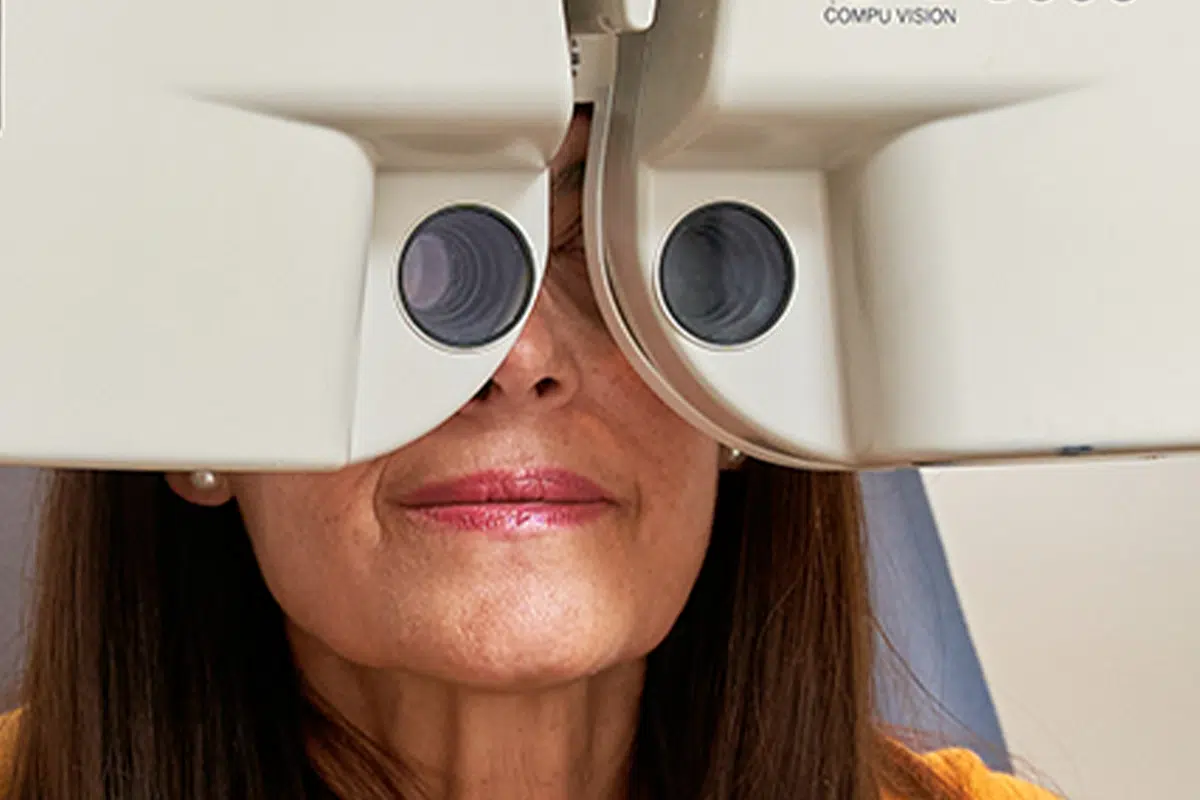
Myopia is the most common refractive error in the world, and its prevalence continues to rise.
Astigmatism affects more than 50% of people with vision problems.
Refractive surgery offers a permanent and safe solution in most cases.


What are refractive errors?
🔹 Myopia: Difficulty seeing at a distance, but good near vision. It occurs when the eye is longer than normal or the cornea is too curved, causing light to focus in front of the retina.
🔹 Hyperopia: Difficulty seeing up close, although distance vision may be sharp. It occurs when the eye is shorter than normal or the cornea is too flat, causing light to focus behind the retina.
🔹 Astigmatism: Blurred or distorted vision at any distance due to an irregular curvature of the cornea or lens, which prevents light from focusing evenly on the retina.
These problems can occur on their own or in combination, as in the case of myopia with astigmatism or hyperopia with astigmatism.
How can you tell if you have myopia, hyperopia or astigmatism?
✅ Blurred vision at a distance or up close
✅ Frequent headaches
✅ Eye strain when reading or using screens
✅ Needing to squint to see clearly
✅ Glare or halos around lights
✅ Difficulty bringing objects into sharp focus
If you experience any of these symptoms, we recommend having an eye examination to obtain an accurate diagnosis.
Factors that influence refractive errors
Refractive errors occur when light does not focus correctly on the retina, resulting in blurred vision. Their main causes include:
🔹 Genetic factors: Myopia, hyperopia and astigmatism can be hereditary, with a higher risk if there is a family history.
🔹 Abnormal eye development: The size and shape of the eye influence how light is focused. An eye that is longer than normal causes myopia, while a shorter one causes hyperopia.
🔹 Irregular shape of the cornea or lens: An abnormal curvature can alter the refraction of light, causing astigmatism.
🔹 Excessive screen use and prolonged reading: These can accelerate the progression of myopia, especially in children and young people.
🔹 Lack of exposure to natural light: Studies suggest that spending little time outdoors may contribute to the development of myopia at an early age.
🔹 Ageing of the eye: With age, hyperopia can become more pronounced due to the loss of flexibility of the lens.
If you have any of these risk factors, we recommend regular eye check-ups to detect and correct any vision problem in good time.
Solutions to improve your vision and quality of life.
🔹 Prescription glasses: The most common and accessible option for correcting refractive errors.
🔹 Contact lenses: An aesthetic and practical alternative for correcting vision without the need for glasses.
🔹 Laser surgery (LASIK, Femto-LASIK, PRK, SMILE): Surgical procedures that reshape the cornea to correct refraction.
🔹 Phakic intraocular lenses (ICL): Implantation of a lens inside the eye without altering the cornea, ideal for cases of high myopia or high hyperopia.
The ideal treatment will depend on the type and degree of the refractive error, the patient's age and their visual needs.
Types of Procedures
💡 Which type of procedure is best for you? In this video, Dr Javier Ramírez explains everything you need to know about correcting myopia, hyperopia and astigmatism, the different types of surgery and which patients can benefit most from this treatment.
🔍 If you are thinking about saying goodbye to glasses and contact lenses, don't miss this expert guide. Press play and get all your questions answered! 🎬👁️

Femtosecond Laser:
Advanced Precision and Safety
💎 The most advanced technology to correct your vision
At Clínica Ramírez & Gálvez we rely on Refractive Surgery with Femtosecond Laser, the most advanced and safest technique for correcting myopia, hyperopia and astigmatism. Compared with traditional LASIK surgery, Femto-LASIK offers greater precision, safety and faster recovery thanks to its femtosecond laser technology, which makes an extremely precise cut in the cornea without the need for blades.
This procedure minimises risks, shortens recovery time and improves visual outcomes, offering surgery tailored to each patient. If you are looking for the best option to correct your vision with maximum safety, femtosecond laser surgery is the most advanced solution available.
Our Clinic
Unique spaces designed with one philosophy: excellence in caring for your eyes.




Detailed Diagnosis
A trusted environment where we listen to you, carry out a detailed diagnosis and design a personalised treatment plan together.




Commitment to Excellence
A team of professionals led by Drs. Ramírez and Gálvez with a dual commitment: medical excellence and close, human care.


Cutting-Edge Technology
Equipped with the latest technology to ensure diagnoses of maximum precision and to plan every treatment with complete safety.
Answers to your questions
We answer the most common questions about myopia, hyperopia and astigmatism. Find all the information you need here to regain your vision with confidence.
Can refractive errors get worse over time?
Yes, especially myopia, which tends to progress during childhood and adolescence. That is why regular eye check-ups are important.
Can myopia, hyperopia or astigmatism be prevented?
They cannot be prevented, but habits such as limiting screen use, taking breaks when reading and spending more time outdoors can help slow their progression.
At what age can myopia, hyperopia or astigmatism be operated on?
Generally from the age of 18, once the refractive error has stabilised. Before surgery, tests are needed to confirm that the vision has not changed in recent years.
Can glasses or contact lenses cure my refractive error?
No, they only correct vision temporarily. The only options for eliminating it permanently are refractive surgery or intraocular lenses.
Which surgery is best for correcting myopia, hyperopia or astigmatism?
It depends on each case. LASIK and Femto-LASIK are the most common, but there are other options such as PRK, SMILE or intraocular lenses. An ophthalmologist will determine which is most suitable for the patient’s profile.
What happens if I don't correct a refractive error?
If it is not corrected, it can cause eye strain, headaches and difficulty with everyday activities such as driving or reading. In children, it can lead to visual development problems such as lazy eye.