


Ocular Herpes
Ocular herpes is an infection caused by the herpes simplex virus (HSV-1), the same virus that causes cold sores. Although it can affect various structures of the eye, the cornea is the most commonly involved.
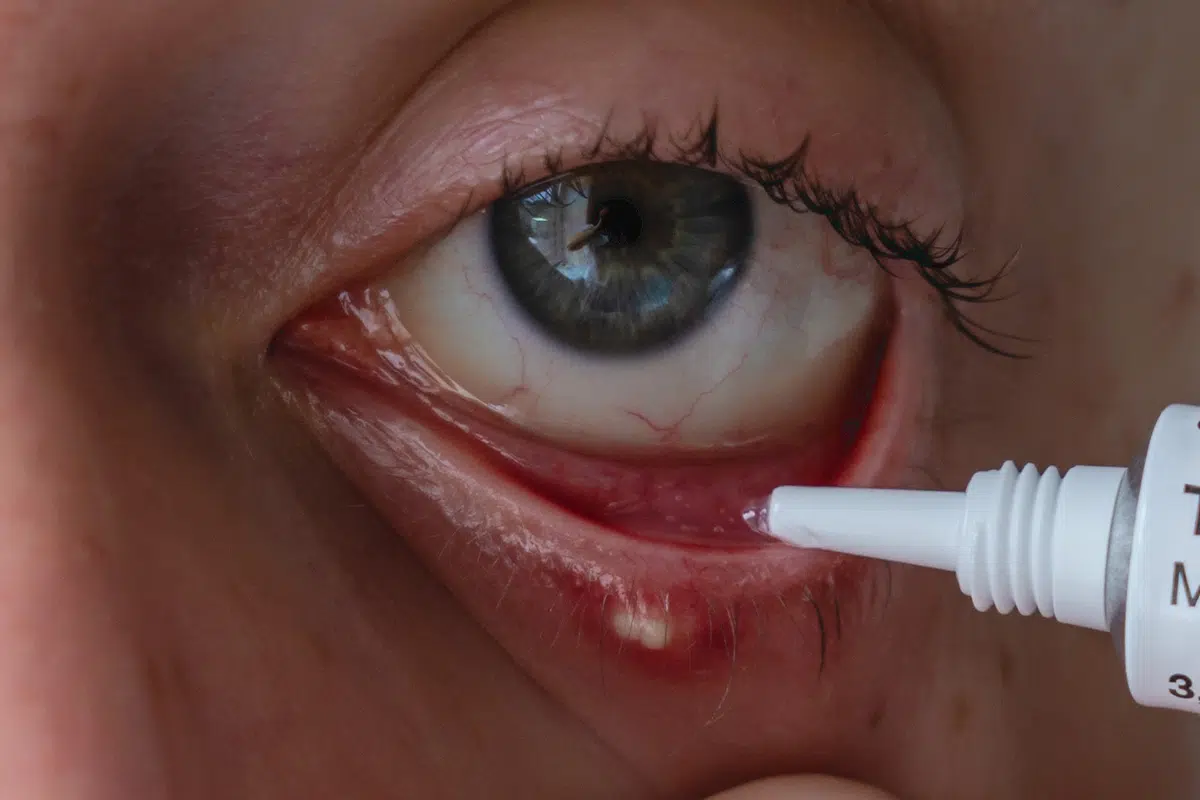
It is one of the leading causes of infectious keratitis worldwide.
It can recur several times over a lifetime.
Early diagnosis and treatment reduce the risk of serious complications.


What is Ocular Herpes?
Ocular herpes is a condition that can be mild or severe, depending on how deeply it affects the eye. It most often occurs in the cornea, causing herpetic keratitis, but it can also spread to other structures of the eye.
Forms of Ocular Herpes:
🔹 Herpetic epithelial keratitis: The most common form, affecting the outer layer of the cornea and causing superficial ulcers.
🔹 Herpetic stromal keratitis: A deeper inflammation that can cause scarring and affect vision.
🔹 Herpetic uveitis: Inflammation inside the eye that can cause severe pain and blurred vision.
🔹 Herpetic retinitis: Affects the retina and is less common, but can be serious if not treated in time.
How can you recognise it?
Symptoms can vary depending on the area affected, but the most common include:
✅ Eye redness
✅ Pain or a burning sensation in the eye
✅ Excessive watering
✅ Sensitivity to light (photophobia)
✅ Blurred vision
✅ Small ulcers on the cornea
✅ Swollen eyelids
✅ In some cases, fever or swollen lymph nodes near the eye
If you experience these symptoms, it is essential to see an ophthalmologist for an early diagnosis and to prevent possible complications.
Why does ocular herpes occur?
Ocular herpes is caused by herpes simplex virus type 1 (HSV-1), the same virus that causes cold sores. Once the virus enters the body, it remains dormant in the nerves and can reactivate during periods of:
🔹 Stress or extreme fatigue
🔹 A weakened immune system
🔹 Prolonged sun exposure
🔹 Previous infections or fever
🔹 Use of contact lenses without proper hygiene
🔹 Eye trauma or injury
Controlling the infection to prevent damage to your vision
The treatment of ocular herpes depends on the area affected and the severity of the condition.
Treatment Options:
🔹 Topical or oral antivirals (aciclovir, valaciclovir) to stop the virus from replicating.
🔹 Anti-inflammatory eye drops to reduce inflammation and discomfort.
🔹 Artificial tears to relieve irritation and improve eye lubrication.
🔹 Corticosteroids under medical supervision in cases of stromal keratitis to prevent corneal scarring.
⚠️ There is no definitive cure for ocular herpes, but the right treatment can control outbreaks and reduce the risk of complications.
Our Clinic
Unique spaces designed with one philosophy: excellence in caring for your eyes.




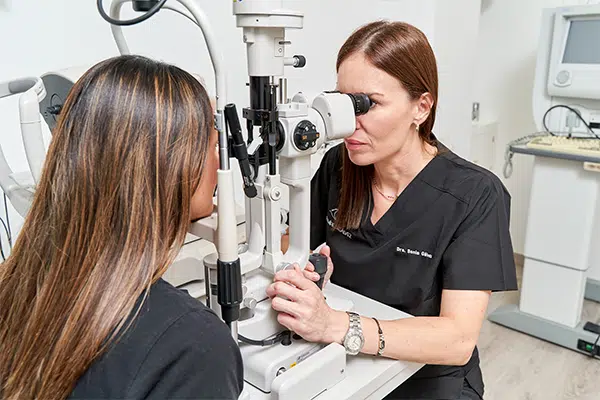
Detailed Diagnosis
A trusted environment where we listen to you, carry out a detailed diagnosis and design a personalised treatment plan together.

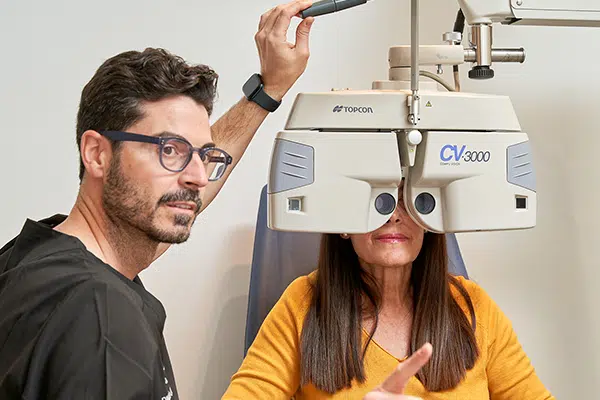

Commitment to Excellence
A team of professionals led by Drs. Ramírez and Gálvez with a dual commitment: medical excellence and close, human care.
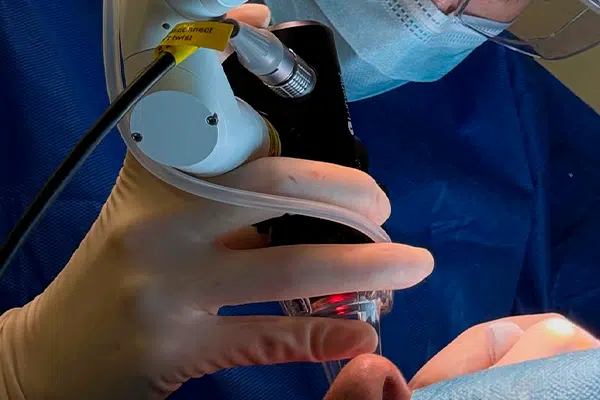
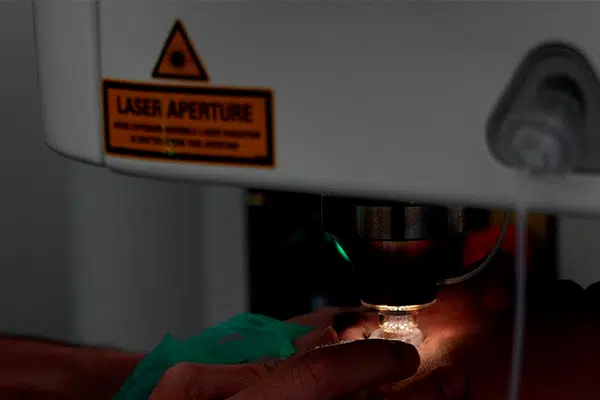
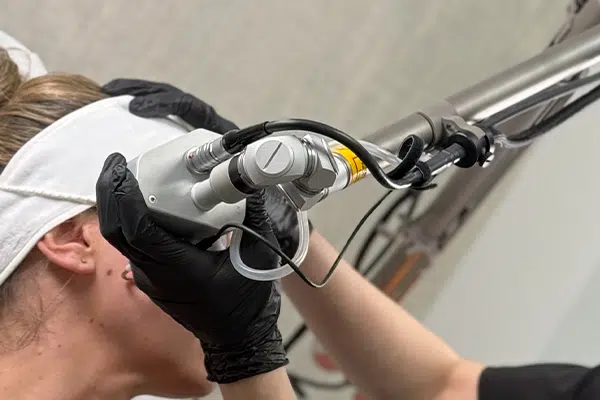
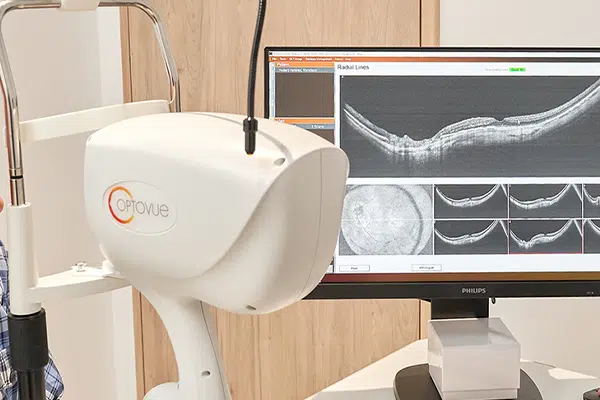
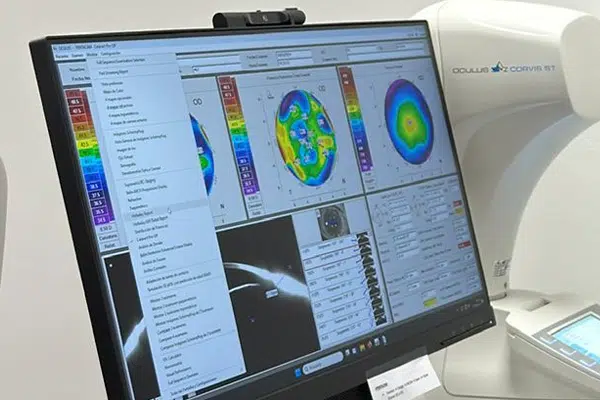
Cutting-Edge Technology
Equipped with the latest technology to ensure diagnoses of maximum precision and to plan every treatment with complete safety.
Answers to your questions
We answer the most common questions about the symptoms and treatment of ocular herpes. Here you will find all the information you need to look after your vision with confidence.
Is ocular herpes contagious?
The herpes simplex virus can be transmitted through direct contact with active lesions or through saliva. During an outbreak, avoid touching your eye and wash your hands frequently.
Can ocular herpes come back?
Yes, the virus remains dormant in the body and can reactivate in response to certain triggers.
Can ocular herpes cause blindness?
In severe, untreated cases, it can cause corneal scarring that affects vision.
How long does an ocular herpes outbreak last?
It depends on the treatment and severity, but it generally lasts between 7 and 14 days.
How can ocular herpes be prevented?
Avoid stress, protect yourself from sun exposure, strengthen your immune system and see an ophthalmologist at the first sign of symptoms.